
- Home/
- Buy Antabuse Online in the United States Safely and Easily
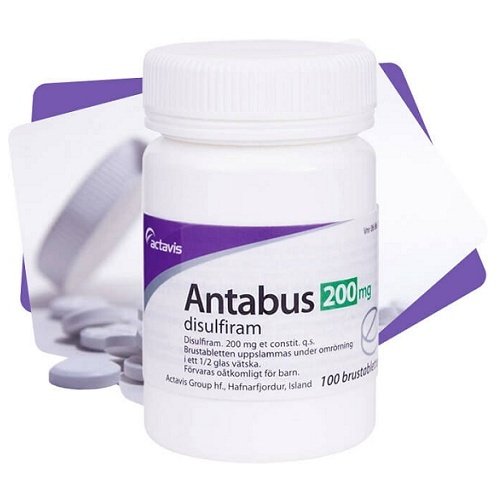
Antabuse (Disulfiram) in the United States: The Comprehensive Patient and Clinician Guide (2026)
Can you get Antabuse without a prescription in the United States?
No, Antabuse (disulfiram) is a prescription-only medication in the United States. Buying or possessing it without a valid prescription is illegal and unsafe. Only a licensed healthcare provider can determine if Antabuse is appropriate for you, prescribe it, and provide necessary safety information. Online pharmacies offering Antabuse without a prescription are not legitimate and may be selling counterfeit or dangerous products.
Summary Table: Key Facts About Antabuse
| Parameter | Details (2026) |
|---|---|
| Active Ingredient | Disulfiram |
| Indication | Alcohol Dependence (maintenance of abstinence) |
| Prescription Required in US? | Yes (prescription-only) |
| Typical Starting Dose | 250 mg once daily |
| Main Contraindication | Current alcohol use; severe cardiac/liver disease |
| Onset of Action | 30–60 minutes after first dose |
| Duration of Effect | Up to 1–2 weeks after last dose |
| Generic Available? | Yes (disulfiram generics) |
| Price (2026 estimate) | $45–$85/month (varies by pharmacy and insurance) |
| FDA Black Box Warning? | No Black Box Warning (2026) |
How does Antabuse work in the body? (Mechanism of Action Explained)
Antabuse (disulfiram) is an aldehyde dehydrogenase inhibitor. It works by blocking the enzyme aldehyde dehydrogenase in the liver. Normally, when alcohol (ethanol) is consumed, it is first converted to acetaldehyde, a toxic compound, which is then rapidly broken down by aldehyde dehydrogenase into harmless acetic acid.
Disulfiram inhibits this second step. As a result, if you drink alcohol while taking Antabuse, acetaldehyde builds up quickly, causing an immediate and severe reaction. Symptoms can include facial flushing, rapid heartbeat, nausea, vomiting, headache, sweating, difficulty breathing, and anxiety. This combination is known as the “disulfiram-ethanol reaction” and is intentionally unpleasant—it acts as a deterrent to alcohol consumption.
Metaphor: Think of Antabuse as a “chemical alarm system” that triggers an intense warning if you try to drink, making even a small amount of alcohol highly uncomfortable.
The drug itself does not reduce cravings or treat withdrawal symptoms—it is a behavioral deterrent, not a “cure” for addiction. Its effectiveness relies on the user’s motivation to remain abstinent and the presence of medical and psychological support.
Expert Commentary from doctor
In my practice, Antabuse is most helpful for highly motivated patients who have already achieved initial sobriety and are actively seeking to avoid relapse. I’ve noticed that some patients mistakenly believe Antabuse will “block” the effects of alcohol or eliminate cravings, but this is not the case—if someone drinks, the reaction will be severe and potentially dangerous. Adherence is often a challenge; missed doses or intentional discontinuation before drinking can undermine the whole point of therapy. For best results, I recommend close involvement of family or support systems and careful education about hidden sources of alcohol (mouthwash, sauces, even some medications). Open communication with the prescriber about all medications and over-the-counter products is absolutely essential.
How is Antabuse taken? (Dosage and Administration)
| Standard Starting Dose | 250 mg once daily (may be increased to 500 mg, rarely higher) |
| Maximum Dose | 500 mg daily (do not exceed unless directed by a specialist) |
| Timing | Take in the morning, with or without food |
| Tablet Splitting | Most generic tablets can be split, but check with your pharmacist |
| Duration of Therapy | Typically 3–12 months; some may need longer |
| Onset of Action | Begins 30–60 minutes after ingestion |
| Duration of Alcohol Sensitivity | Can persist up to 14 days after last dose |
| Missed Dose | Take as soon as remembered, but do NOT double up |
Important: Antabuse should only be started when you have not consumed alcohol for at least 12 hours. Do not attempt to “self-initiate” therapy without medical supervision, as the reaction to alcohol can be life-threatening.
Dose adjustments: Lower starting doses (e.g., 125 mg daily) are often used for older adults, patients with mild liver impairment, or those experiencing side effects. Always follow your prescriber’s instructions.
Interactions with Food, Alcohol, and Lifestyle Factors
- Alcohol
- Strictly prohibited in any amount—including hidden sources such as sauces, vinegar, cough syrups, certain desserts, and even topical products like aftershave or mouthwash containing ethanol. Reactions can occur with as little as 7–15 mL of alcohol (about half a shot).
- Food
- No significant interaction with typical foods; Antabuse can be taken with or without meals. Fatty or heavy meals do not delay the effect.
- Grapefruit Juice
- No clinical studies have shown a significant interaction, but always inform your prescriber about regular consumption of grapefruit or unusual diets.
- Other Medications
- Some drugs (e.g., metronidazole, isoniazid) may interact dangerously with Antabuse or cause similar reactions to alcohol. Never start new prescriptions without informing your healthcare provider.
- Smoking
- No direct interaction, but heavy smoking may reduce liver function and increase risk of side effects.
- Driving and Machinery
- Antabuse itself does not cause sedation, but if a disulfiram-alcohol reaction occurs, it can severely impair alertness and coordination.
Who should NOT take Antabuse? (Absolute and Relative Contraindications)
Absolute Contraindications (Never Use):
- Current or recent (<12 hours) alcohol consumption
- History of psychosis or severe psychiatric disorders (risk of exacerbation)
- Severe myocardial disease or coronary artery occlusion
- Liver failure or severe hepatic impairment
- Pregnancy and breastfeeding (not enough safety data)
- Known hypersensitivity to disulfiram or related compounds (thiuram derivatives)
- Severe renal insufficiency
Relative Contraindications (Use with Caution):
- Mild-to-moderate liver disease—requires close monitoring of liver function tests
- Uncontrolled diabetes
- History of epilepsy or seizure disorder
- Older adults (greater risk of confusion and liver adverse effects)
- Patients on warfarin or phenytoin (may alter blood levels)
After a heart attack or stroke: Antabuse should typically not be considered until at least 6 months have passed and only under close cardiac supervision.
What side effects are most common with Antabuse?
| Frequency | Side Effect | Explanation/Notes |
|---|---|---|
| Very Common (>1 in 10) | Fatigue, drowsiness, metallic or garlic-like taste | Usually mild, often improve with time |
| Common (1 in 100–10) | Headache, skin rash, acne, impotence, nausea | May require dose adjustment |
| Uncommon (1 in 1,000–100) | Peripheral neuropathy (tingling, numbness), mild hepatitis, allergic reactions | Monitor with regular check-ups |
| Rare (<1 in 1,000) | Severe hepatitis, psychosis, seizures, optic neuritis | Stop immediately and seek medical attention |
| Very Rare (<1 in 10,000) | Sudden liver failure, fatal disulfiram-alcohol reaction | Emergency—call 911 |
If you experience: yellowing of the skin/eyes, severe abdominal pain, dark urine, confusion, or any allergic reaction (rash, swelling, difficulty breathing), stop the drug and contact your healthcare provider immediately.
Most side effects occur in the first few weeks of therapy and are reversible upon stopping the medication.
Antabuse Compatibility Table: Common Medications & Products
| Product/Drug | Can it be combined? | Possible Consequences |
|---|---|---|
| Alcohol (all sources including sauces, cough syrup) | NO | Severe or fatal disulfiram-ethanol reaction |
| Metronidazole (antibiotic) | NO | Serious neurologic reactions, psychosis |
| Warfarin (blood thinner) | With caution | May increase warfarin levels—monitor INR |
| Phenytoin (seizure medication) | With caution | May increase phenytoin levels—risk of toxicity |
| Aspirin | Yes | No significant interaction |
| Insulin | Yes (monitor glucose) | No direct interaction, but hypoglycemia risk may be increased |
| Paracetamol (acetaminophen) | Yes | No significant interaction |
| Grapefruit juice | Likely Yes | No proven interaction, but inform your doctor |
| Mouthwash/aftershave with alcohol | NO | Can trigger reaction via absorption through mucosa or skin |
Common Patient Mistakes Observed by doctor
- Stopping Antabuse before planned drinking: Many patients believe it’s safe to stop taking Antabuse right before drinking. In reality, the deterrent effect can last up to 2 weeks, so this approach is highly risky and may result in a dangerous reaction.
- Not checking for hidden alcohol in products: Mouthwash, cough syrup, sauces, and desserts often contain alcohol. Even small amounts can trigger a reaction—always read labels carefully and ask your pharmacist.
- Missing doses or inconsistent use: Skipping doses to “see what happens” dramatically reduces effectiveness. Adherence should be as strict as possible; consider using pill organizers or reminders.
- Not informing all healthcare providers: Failing to mention Antabuse when getting new prescriptions can result in dangerous drug interactions, especially with antibiotics like metronidazole.
- Misunderstanding the purpose: Some expect Antabuse to reduce cravings. It is not an anti-craving medication—it only creates a deterrent effect if alcohol is consumed.
- Underestimating the psychological challenge: Relying on Antabuse alone without counseling or support increases the risk of relapse.
How does Antabuse compare to other alcohol dependence treatments?
| Drug | Mechanism | Onset | Common Side Effects | Typical Cost (Monthly, US$) | Prescription? |
|---|---|---|---|---|---|
| Antabuse (Disulfiram) | Aldehyde dehydrogenase inhibitor (deterrent) | 30–60 min | Drowsiness, metallic taste, hepatitis risk | $45–$85 | Yes |
| Naltrexone | Opioid receptor antagonist (reduces cravings) | Within 1–2 hours | Nausea, headache, liver effects | $70–$120 (oral); $1,200+ (monthly injection) | Yes |
| Acamprosate | Glutamatergic modulator (reduces cravings) | Several days | Diarrhea, GI upset | $90–$150 | Yes |
- Key takeaway: Antabuse is unique as a deterrent; others work by reducing cravings. Antabuse is generally less expensive but requires strict abstinence and high motivation. Choice of therapy depends on clinical history, comorbidities, and patient preference.
Pharmacokinetics and Use in Special Populations
Absorption: Rapidly absorbed from the GI tract; peak blood levels occur in 8–12 hours.
Metabolism: Primarily in the liver to diethyldithiocarbamate and other metabolites.
Elimination: Metabolites are excreted mainly through urine; some via feces.
Half-life (T1/2): About 60–120 hours. The deterrent effect may last up to 14 days after stopping.
- Liver disease: Reduced metabolism—greater risk of adverse effects, especially hepatitis.
- Renal impairment: Use only if benefits outweigh risks, and monitor closely.
- Elderly patients: Start at lower doses; monitor for confusion and hepatic effects.
- Pediatrics: Not approved for use in children or adolescents in the US.
- Pregnancy: Not recommended; risk to fetus not fully studied.
- Breastfeeding: Disulfiram is excreted in breast milk; avoid use.
- Driving and machinery: No direct sedation, but avoid if experiencing side effects or after accidental alcohol exposure.
- Fertility: No clear evidence of effect on fertility in humans.
How to obtain Antabuse legally in the United States: Step-by-step
- Consultation with a healthcare provider: Visit a primary care physician, addiction specialist, or psychiatrist. Many major cities (New York, Los Angeles, Chicago) offer telemedicine appointments for alcohol dependence.
- Assessment: Your provider will review your medical history, current medications, and perform necessary lab tests.
- Prescription: If appropriate, you will receive a prescription for Antabuse (disulfiram).
- Pharmacy fulfillment: Fill the prescription at a local US pharmacy or via a licensed online pharmacy (look for NABP VIPPS accreditation).
- Patient counseling: The pharmacist will review key safety information and check for drug interactions.
- Ongoing monitoring: Follow up with your prescriber regularly (in person or via telehealth).
How to identify authentic Antabuse (and avoid counterfeits)
- Packaging: Original Antabuse is supplied in blister packs or pharmacy-labeled bottles, with manufacturer information (e.g., Odyssey Pharmaceuticals, Upsher-Smith) clearly printed.
- Tablet appearance: White, round or oval tablets, often with a dosage imprint (e.g., “250” or “500”).
- Official labeling: Look for NDC (National Drug Code), lot number, and expiration date.
- Verification elements: Some US manufacturers now include a QR code linking to product verification sites or the manufacturer’s website.
- Suspiciously low price: If the cost is much lower than typical US pharmacies, the product may be counterfeit or not FDA-approved.
- Generics: Several FDA-approved generics are available; these are held to the same safety and efficacy standards as the original Antabuse.
- Inactive ingredients (excipients): Generic tablets may contain different fillers or binders. If you have allergies (e.g., lactose intolerance, gluten sensitivity), notify your pharmacist.
What should I do if I have taken too much Antabuse?
- Stop taking Antabuse immediately.
- Call 911 or your local emergency services (in the US).
- Tell the responding medical team exactly how much was taken and when.
- Do not attempt to induce vomiting unless instructed by a medical professional.
- Bring the medication bottle to the hospital for identification.
Overdose symptoms: nausea, vomiting, drowsiness, confusion, unsteady gait, tremors, seizures, psychosis, and potentially liver failure. Early hospital treatment can be life-saving.
Support for People Considering Antabuse
Alcohol dependence is a common medical condition, not a sign of weakness. Many people benefit from a combination of medication and psychological support. Behavioral counseling, support groups (like SMART Recovery or AA), and open conversations with family can dramatically improve outcomes. It is normal to feel uncertain—discussing these concerns with a healthcare professional can help you choose the best plan for your medical and emotional needs.
Professional Opinion of doctor
Based on my experience, Antabuse (disulfiram) works best for individuals who have already achieved initial sobriety and are highly motivated to avoid relapse. The deterrent effect is powerful, but only if the patient is fully aware of the risks and committed to abstinence. It is not suitable for everyone—those with severe liver, heart, or psychiatric problems require a different approach. I often see the best results when Antabuse is combined with comprehensive support, including counseling and regular follow-ups. For some, alternatives like naltrexone or acamprosate may be preferable, especially if cravings are a persistent problem. Ultimately, the choice of therapy should be individualized, factoring in medical history, support systems, and personal motivation.
Questions Frequently Asked to doctor
- Is it safe to take Antabuse if I have mild liver disease?
- Mild hepatic impairment does not automatically exclude Antabuse, but we must monitor your liver function regularly. If signs of liver injury appear, the medication should be stopped immediately. Always inform your provider about any liver concerns.
- Can I start Antabuse while still drinking?
- No. Starting Antabuse while alcohol is present in your system can cause a severe reaction. You must be abstinent for at least 12 hours—preferably longer—before the first dose.
- What happens if I miss a dose?
- Take it as soon as you remember, but never double up. If it’s almost time for the next dose, skip the missed one. Missing several doses reduces the medication’s ability to deter drinking.
- Does Antabuse reduce cravings for alcohol?
- No, it doesn’t affect cravings. Its main purpose is to create a strong deterrent to drinking by causing an unpleasant reaction with alcohol.
- Can I take Antabuse with other addiction medications?
- Generally, you should not combine Antabuse with naltrexone or acamprosate without consulting your doctor. Combinations are rarely used and must be closely monitored.
- Is Antabuse safe for seniors?
- Older adults may be more sensitive to side effects, especially confusion or liver problems. Lower starting doses and close medical monitoring are recommended.
- Can Antabuse be used long-term?
- Most protocols recommend using it for 3–12 months, but longer durations are possible if tolerated and effective. Periodic review with your healthcare provider is essential.
Antabuse Main Parameters Table
| Active Substance | Disulfiram |
| ATC Code | N07BB01 |
| Dosage Form | Oral tablet (250 mg, 500 mg) |
| Intended Use | Alcohol dependence (maintenance of abstinence) |
| Age Restrictions | Adults (18+ years) |
| Pregnancy/Breastfeeding | Not recommended |
| Legal Status (US) | Prescription-only (Rx) |
| Insurance Coverage | Covered by many plans; check with provider |
| Reimbursement | Varies (Medicare Part D, Medicaid, private insurers) |
| Manufacturer(s) | Several (e.g., Odyssey, Upsher-Smith, various generics) |
Frequently Asked Questions (FAQ)
- Is Antabuse available over the counter in the United States?
- No. Antabuse requires a valid prescription from a licensed healthcare provider in the United States.
- How quickly does Antabuse start working?
- It begins to block alcohol metabolism within 30–60 minutes of the first dose.
- What should I do if I accidentally consume alcohol while on Antabuse?
- Seek medical attention immediately—serious reactions can be life-threatening.
- How long does the Antabuse effect last after stopping the medication?
- You may remain sensitive to alcohol for up to 1–2 weeks after your last dose.
- What are common side effects of Antabuse?
- Fatigue, drowsiness, headache, metallic taste, and skin rash are most common.
- Can Antabuse be mailed to my home?
- Yes, if ordered through a licensed US pharmacy after a valid prescription is issued. Avoid websites that offer it without a prescription.
- Are generics as effective as the brand-name Antabuse?
- Yes. FDA-approved generics are clinically equivalent, though inactive ingredients may vary.
- Does insurance cover Antabuse?
- Many insurance plans, including Medicare and Medicaid, provide coverage. Check with your insurer for details.
- Can I drive while taking Antabuse?
- If you are not experiencing side effects and have not been exposed to alcohol, driving is generally permitted. However, caution is advised if you feel fatigued or unwell.
- Is it safe to use Antabuse in people with heart conditions?
- It is contraindicated in severe heart disease. Mild heart conditions may be acceptable with specialist oversight.
Sources / References
- FDA. “Disulfiram (Antabuse) Label.” Accessed June 2026. FDA Database
- Mayo Clinic. “Disulfiram (Oral Route) Description and Brand Names.” Accessed June 2026. Mayo Clinic
- National Institute on Alcohol Abuse and Alcoholism (NIAAA), “Alcohol Use Disorder: A Comparison of Available Medications.” Accessed June 2026. NIAAA
- PubMed. “Disulfiram for the treatment of alcohol dependence.” Latest review 2024. PubMed
- American Society of Addiction Medicine (ASAM) Guideline. “Pharmacologic Management of Alcohol Use Disorder.” Accessed June 2026. ASAM
- ClinicalTrials.gov. “Disulfiram and Alcohol Use Disorder.” Accessed June 2026. ClinicalTrials.gov
- Substance Abuse and Mental Health Services Administration (SAMHSA). SAMHSA