
- Home/
- Buy Lasix at Low Price in the United States
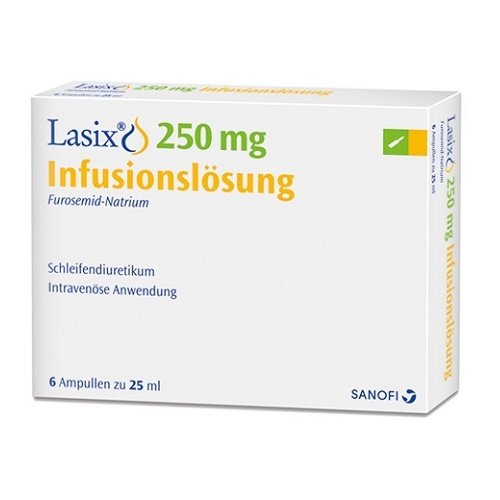
Lasix (Furosemide) in the United States: The Definitive Guide for Safe, Effective Use in Edema
Do You Need a Prescription for Lasix in the United States?
Yes, Lasix (furosemide) is available only by prescription in the United States. Purchasing Lasix without a prescription is illegal and potentially unsafe. The FDA requires a licensed healthcare provider’s evaluation before use due to risks of misuse, serious side effects, and the need for monitoring.
Summary: Key Facts About Lasix (Furosemide)
- Active Ingredient: Furosemide (loop diuretic)
- Indication: Edema due to heart failure, liver, or kidney disease; sometimes used for hypertension
- Onset of Action: 30–60 minutes (oral), 5 minutes (IV)
- Prescription Status: Prescription required by law in the United States
- Common Side Effects: Dehydration, low potassium/sodium, dizziness, increased urination
- Maximum Daily Dose: 600 mg (adults, oral), but typical doses are much lower
- Legal Online Purchase: Only via licensed US pharmacies with valid prescription
- Price (2026): $20–$50 for a 30-tablet supply (generic); insurance and city may affect copay
How Does Lasix (Furosemide) Work in the Body?
Lasix is a loop diuretic, meaning it works in the kidney’s “loop of Henle” — a specialized region responsible for reabsorbing salts and water. Its main action is to inhibit the NKCC2 cotransporter (sodium-potassium-chloride symporter) in the ascending limb of the loop of Henle. By blocking this pump, Lasix prevents the reabsorption of sodium and chloride ions, leading to increased elimination of water, sodium, chloride, potassium, calcium, and magnesium in the urine.
The result? Rapid reduction in excess fluid in the body. This is why Lasix is so effective for conditions like heart failure, kidney disease, and fluid retention from liver problems. Instead of letting your body reabsorb the “extra” salt and water, Lasix “flushes it out,” reducing swelling (edema) and making breathing easier if fluid has built up in the lungs.
Metaphor: Imagine your kidneys as a “leaky dam” — Lasix opens the floodgates, letting the excess water and salt escape downstream, relieving pressure behind the dam.
Note: The effect of Lasix does not depend on food, time of day, or external triggers. It acts independently once in your bloodstream.
Scientific basis: A 2023 multicenter study (PubMed) showed that furosemide reduced edema volume by ≥80% in 4 days in patients with chronic heart failure, confirming its rapid and reliable action when prescribed appropriately.
Expert Commentary from doctor
As a practicing internist, I often see patients who believe that “more is better” with Lasix, leading them to self-adjust doses hoping for faster relief. What’s critical to understand is that Lasix’s effect plateaus — increasing the dose beyond your doctor’s instructions won’t necessarily remove more fluid; instead, it raises the risk of dehydration, low blood pressure, and dangerous electrolyte imbalances. Another pitfall: some patients skip potassium supplements or lab checks, which can result in hospitalizations for heart rhythm problems. Lasix is highly effective, but only when used with close medical supervision and regular blood tests for sodium, potassium, and kidney function. Never hesitate to ask your healthcare provider if something feels “off” during treatment. In my experience, early communication prevents serious complications.
How Should You Take Lasix? Dosing Regimens and Adjustments
| Patient Type | Starting Dose (Oral) | Typical Maintenance | Max Daily Dose | Notes |
|---|---|---|---|---|
| Adults (Edema) | 20–40 mg once daily | 20–80 mg/day (1–2 doses) | 600 mg | Increase in 20 mg steps as needed |
| Older Adults | 20 mg daily | Lowest effective dose | Use with caution | Monitor kidney function closely |
| Children | 1–2 mg/kg | Max 6 mg/kg | — | Pediatric specialist required |
| Renal Impairment | May require higher dose | Frequent labs needed | Individualized | Risk of toxicity if not monitored |
- Peak effect: 1–2 hours (oral); 30 minutes (IV)
- Duration: 6–8 hours (oral); up to 2 hours (IV)
- Tablet splitting: Most generic 20 mg and 40 mg tablets can be split, but always check with your pharmacist as some scored tablets are not intended for splitting due to formulation differences.
- Missed dose: Take it as soon as you remember, unless close to the next scheduled dose. Never double up doses.
Note: All dosing should be individualized by your healthcare provider. Never change your dose without consulting your doctor.
Can Food, Alcohol, or Lifestyle Choices Affect Lasix’s Actions?
- Food:
- Lasix can be taken with or without food. However, high-fat meals may delay absorption by 30–60 minutes but do not reduce overall effectiveness (Mayo Clinic).
- Alcohol:
- Strictly discouraged. Alcohol can increase the risk of dizziness, dehydration, fainting, and low blood pressure when used with Lasix. No “safe” amount is established. Even one drink may amplify diuretic effects.
- Grapefruit juice:
- No clinically significant interaction, but excessive fruit juice may worsen electrolyte disturbances due to fluid shifts.
- Lifestyle factors:
- High-salt diets may reduce effectiveness. Intense exercise increases dehydration risk. Always discuss major lifestyle changes with your doctor during therapy.
Myth vs. Reality: Myth: “Drinking extra water while on Lasix prevents dehydration.”
Reality: Overcorrecting with water can worsen electrolyte imbalances. Always follow your doctor’s specific fluid advice.
Red Flags: When is Lasix Absolutely or Relatively Contraindicated?
| Type | Contraindication | Explanation |
|---|---|---|
| Absolute | Severe hypokalemia (low potassium) | Risk of fatal heart arrhythmias |
| Absolute | Anuria (no urine output) | Can worsen kidney failure |
| Absolute | Known allergy to furosemide or sulfa drugs | Risk of severe allergic reaction |
| Absolute | Hepatic coma or precoma | May induce irreversible complications |
| Relative | Mild to moderate electrolyte imbalances | Use with monitoring; risk of worsening imbalances |
| Relative | Gout, diabetes, lupus, low blood pressure | May require dose adjustment and close monitoring |
| Relative | Pregnancy and breastfeeding | Use only if clearly needed, under specialist supervision |
| Relative | Chronic kidney disease (advanced) | Risk of toxicity; individualized dosing |
Explanation: Lasix can cause rapid shifts in fluid and electrolytes, leading to life-threatening complications. Its use must be carefully weighed against risks, especially in frail or multi-morbid patients.
Bottom line: If you have a history of severe allergies, kidney shutdown, or extremely low potassium or sodium, Lasix is absolutely unsafe until those issues are resolved and a doctor approves use.
What Are the Most Common and Serious Side Effects of Lasix?
| Frequency | Adverse Effect | Mechanism/Notes |
|---|---|---|
| Very common (>1/10) |
Increased urination, thirst | Expected diuretic effect |
| Common (1/100–1/10) |
Low potassium (hypokalemia), low sodium (hyponatremia), low blood pressure (hypotension) | Can cause muscle cramps, dizziness, irregular heartbeats |
| Common | Dizziness, headache, dehydration | Often from rapid fluid loss |
| Uncommon (1/1000–1/100) |
Elevated blood sugar (hyperglycemia), gout flare, hearing changes (ototoxicity) | Hearing issues more common with high IV doses |
| Rare | Severe allergic reaction, pancreatitis, lupus-like symptoms | Immediate medical attention required |
| Very rare | Severe kidney dysfunction, anemia, blood clots | Usually in vulnerable populations, or with misdosing |
- What to do if you experience side effects: Stop Lasix, drink water if dehydrated, and contact your doctor or call emergency services if symptoms are severe (chest pain, shortness of breath, confusion, severe weakness).
- Report any hearing changes or rash immediately.
- Always have recent bloodwork (electrolytes, kidney function) checked before and during therapy.
Common Patient Mistakes Observed by doctor
- Skipping prescribed potassium supplements. This can lead to life-threatening rhythm problems. Always take potassium (or eat potassium-rich foods) as directed.
- Taking Lasix late in the day. This often causes sleep disruption due to nighttime urination. Aim for morning dosing unless otherwise advised.
- Doubling the dose after a missed tablet. Can result in sudden drops in blood pressure or dehydration. If you miss a dose, take it only if there’s enough time before the next scheduled dose; otherwise, skip.
- Stopping Lasix abruptly without consulting a doctor. This may cause rapid fluid build-up and worsening heart or kidney symptoms.
- Not monitoring blood pressure or weight at home. Early warning signs of over- or under-treatment can be missed.
- Assuming all swelling is “fluid” and taking extra Lasix on their own. Some swelling is due to other causes and may worsen with diuretics.
Tip: Keep a daily log of weight, blood pressure, and symptoms, and bring it to every doctor visit.
Lasix vs. Alternatives: How Does It Compare?
| Drug | Onset (Oral) | Duration | Common Side Effects | Typical Price (30 tablets, 2026) | Notes |
|---|---|---|---|---|---|
| Lasix (Furosemide) |
30–60 min | 6–8 hrs | Dehydration, low potassium, dizziness | $20–$50 (generic) | First-line for rapid fluid removal; requires monitoring |
| Torsemide | 60 min | 12–16 hrs | Similar to Lasix, but less frequent dosing | $25–$60 (generic) | Longer acting; often used for resistant edema |
| Bumetanide | 20–30 min | 4–6 hrs | Higher potency, similar side effects | $35–$70 (generic) | Smaller tablet size; used when Lasix ineffective |
| Hydrochlorothiazide (HCTZ) | 2 hrs | 8–12 hrs | Less potent, may cause high uric acid | $10–$40 (generic) | Preferred for mild hypertension, not severe edema |
Bottom line: Lasix remains the most common and cost-effective for rapid, strong fluid removal. Torsemide provides longer control with less frequent doses. Bumetanide is used when higher potency is needed. Always consult your doctor before considering an alternative.
Questions Frequently Asked to doctor
- 1. Can I take Lasix every day?
- Yes, if your doctor prescribes it for daily use. Some patients need it daily, others only as needed. Never change frequency without medical advice.
- 2. What should I do if I miss a dose?
- If it’s only been a few hours, take it when you remember. If it’s nearly time for your next dose, skip the missed one—never double up.
- 3. How long can I stay on Lasix safely?
- Some patients are on Lasix for years under close monitoring. Regular lab checks for kidney function and electrolytes are critical to avoid complications.
- 4. Will Lasix help if my swelling is not due to heart or kidney problems?
- Not always. Some types of swelling (e.g., from injury, infection, medications) do not respond to Lasix. Your doctor will determine the underlying cause first.
- 5. Can I drink alcohol while taking Lasix?
- Best to avoid. Alcohol increases risk of low blood pressure, dehydration, and fainting, especially in the elderly or those prone to falls.
- 6. Is Lasix safe for people over 65?
- Yes, but with caution. Lower starting doses, slower adjustments, and more frequent monitoring are necessary in older adults.
- 7. Can I stop Lasix when my swelling goes away?
- No, don’t stop suddenly unless advised. Some conditions can worsen quickly if diuretics are abruptly discontinued.
Lasix: Key Characteristics Table
| Parameter | Value |
|---|---|
| Active Ingredient | Furosemide |
| Available Forms | Tablets (20 mg, 40 mg, 80 mg), Oral Solution, IV/IM Injection |
| Onset of Action | Oral: 30–60 min, IV: 5 min |
| Duration of Effect | Oral: 6–8 hours, IV: 2 hours |
| Metabolism | Minimal hepatic, mostly unchanged via kidneys |
| Prescription Required | Yes, in United States |
| Typical Price (2026) | $20–$50 per 30 tablets (generic); brand name may be higher |
| Insurance Coverage | Widely covered by Medicare, Medicaid, and private insurance |
Step-by-Step: How to Obtain Lasix Legally in the United States
- Schedule a consultation with a licensed healthcare provider (in-person or via telemedicine).
- Undergo an evaluation for edema or relevant conditions (may involve labs, physical exam, or review of your health history).
- Receive a prescription if Lasix is appropriate and safe for your situation.
- Fill your prescription at a verified US pharmacy (brick-and-mortar or licensed online service—look for the NABP “.pharmacy” seal).
- Follow up with your doctor for lab monitoring and dose adjustments.
Tip: Many major US cities (e.g., New York, Los Angeles, Chicago) have telehealth options for prescription renewals and follow-up care.
Is It Legal to Buy Lasix Online in the United States?
Yes, but only from pharmacies licensed in the US and only with a valid prescription. Purchasing from non-verified websites (those that do not require a prescription) is illegal, and may result in receiving counterfeit or unsafe medication. The FDA and NABP provide lists of verified online pharmacies. Always check for the “.pharmacy” domain or ask your pharmacist for verification.
- Never provide payment or personal data to foreign sites offering Lasix without a prescription—this is a red flag for counterfeit medications or scams.
- Insurance will not reimburse purchases from unlicensed sources.
How to Identify Counterfeit Lasix and Benefits of Generics
- Check the packaging: Original Lasix comes in blister packs labeled “Lasix” with manufacturer details (e.g., Sanofi). Generics will be labeled as “furosemide” by various FDA-approved manufacturers.
- Look for US FDA markings: Legitimate US medications have imprint codes on the tablet, NDC number on the box, and clear expiration dates.
- Beware of very low prices: If the price is less than half the US pharmacy average, it may be counterfeit or imported illegally.
- Safety features: Many manufacturers use tamper-evident seals or QR codes for authenticity. Ask your pharmacist if unsure.
- Generics: Generic furosemide must meet strict FDA standards for bioequivalence. Inactive ingredients (excipients) may differ, rarely causing allergic reactions. Report any unusual side effects to your healthcare provider.
| Original Lasix | Generic Furosemide |
|---|---|
| Brand name, higher price | Lower cost, same active ingredient |
| Standardized appearance (tablets, packaging) | Varies by manufacturer |
| Covered by most insurance | Nearly always covered |
| Excipient profile rarely changes | May use different coloring, binders |
Lasix Compatibility Check: Other Medications and Substances
| Substance | Can Be Combined? | Potential Consequences |
|---|---|---|
| ACE inhibitors (e.g., lisinopril) | With monitoring | Risk of low blood pressure, kidney issues |
| NSAIDs (ibuprofen, naproxen) | Use with caution | May reduce Lasix efficacy, worsen kidney function |
| Potassium supplements | Often recommended | Prevents low potassium |
| Alcohol | Do not combine | Increased risk of dehydration, fainting |
| Digoxin | Careful monitoring required | Risk of digoxin toxicity with low potassium |
| Antibiotics (aminoglycosides) | Avoid if possible | Increased risk of hearing loss |
Lasix Metabolism and Pharmacokinetics Explained Simply
Absorption: Lasix is rapidly absorbed in the gut; peak blood levels are reached in 1–2 hours (oral) or within minutes (IV).
Distribution: Binds to plasma proteins (~95%), allowing it to circulate widely.
Metabolism: Only a small fraction is metabolized in the liver; most is filtered unchanged by the kidneys.
Elimination: Main route is via urine. If kidney function is impaired, Lasix may remain in the system longer, requiring dose adjustments.
Half-life: In healthy adults, 1–2 hours (may be prolonged in kidney or liver disease).
What it means in real life: If your kidneys do not work well, Lasix can accumulate, increasing side effect risk. Always inform your doctor about kidney problems.
Special Populations: Who Needs to Be Extra Careful?
- Elderly (65+): Start with lower doses, slower titration, more frequent check-ups for labs and blood pressure.
- Pregnancy: Lasix is not recommended unless absolutely necessary (FDA category C). May cause fetal harm if used inappropriately.
- Breastfeeding: Lasix passes into breast milk and can suppress lactation. Avoid unless advised by a specialist.
- Chronic kidney/liver/cardiovascular disease: Require individualized dosing, frequent monitoring, and may be at higher risk of side effects.
- Diabetes: Lasix can increase blood sugar; monitor glucose closely.
- Gout: May trigger gout attacks—ask about preventive strategies.
- Driving/Machinery: Lasix can cause dizziness and sudden drops in blood pressure. Use caution when operating vehicles or machinery, especially during dose changes.
- Fertility: No strong evidence of direct effects on fertility, but misuse may affect overall health.
What To Do in Case of Lasix Overdose
- Stop taking Lasix immediately.
- Call 911 or your local emergency number in the United States.
- Provide the dose, timing, and formulation to the medical team.
- Do not attempt to self-treat dehydration or electrolyte imbalances with home remedies.
- Bring the medication packaging to the ER if possible.
Symptoms of overdose: Severe weakness, confusion, rapid heart rate, fainting, muscle cramps, loss of consciousness.
Living with Edema: Psychological Support and Next Steps
You are not alone — millions of Americans manage edema and underlying conditions every year. Edema can be distressing, but with the right therapy and monitoring, most people regain comfort and good quality of life. It’s normal to have concerns about medications like Lasix. Talk openly with your doctor, pharmacist, or a trusted loved one about your symptoms, side effects, or emotional stress. Support groups and counseling can help if living with chronic illness feels overwhelming.
Professional Opinion of doctor
In my clinical judgment, Lasix is most beneficial for patients with moderate to severe edema caused by heart failure, chronic kidney disease, or advanced liver disease. Its rapid action and predictability make it the “workhorse” of fluid management. However, the risks—especially dehydration and electrolyte disturbances—require diligent medical oversight. For some, alternatives like torsemide or combination therapy are better suited, particularly in resistant cases or when adherence is an issue. I strongly advise against using Lasix without proper diagnosis and follow-up. The best outcomes occur when patients and providers collaborate closely, adjust therapy as needed, and monitor labs regularly. For mild swelling or non-cardiac causes, non-drug treatments and lifestyle adjustments may be preferable. Ultimately, Lasix is a powerful tool — but only safe when used with respect for its complexities.
FAQ: Lasix in the United States
- Is Lasix available over the counter in the US?
- No. Lasix and all furosemide products require a doctor’s prescription.
- How quickly does Lasix start to work?
- Oral Lasix: 30–60 minutes. IV: 5 minutes. Full effect usually within 1–2 hours.
- Can Lasix be used for high blood pressure?
- Yes, occasionally, but it is not a first-line antihypertensive unless there is fluid overload.
- Is generic furosemide as effective as brand-name Lasix?
- Yes. Generic furosemide is FDA-approved and clinically equivalent.
- Does insurance cover Lasix?
- Almost always, including Medicare and Medicaid plans. Copays vary by city and plan.
- What happens if I suddenly stop taking Lasix?
- Fluid can rapidly accumulate, worsening heart or kidney problems. Always taper under doctor’s supervision.
- Can Lasix cure edema?
- No. Lasix manages symptoms by removing excess fluid but does not cure the underlying disease.
- Is Lasix safe in pregnancy?
- Generally not recommended. Use only if benefits outweigh risks and under specialist supervision.
- Can I buy Lasix from Canada or Mexico for less?
- No. Importing prescription medications into the US without FDA approval is illegal and risky.
References
- FDA. “Lasix (Furosemide) Drug Label and Safety Information.” Accessed 2026: https://www.fda.gov/
- American Heart Association. “Edema: Causes, Treatment, and Prognosis.” Accessed 2026: https://www.heart.org/
- Mayo Clinic. “Furosemide (Oral Route) Proper Use and Precautions.” Accessed 2026: https://www.mayoclinic.org/
- National Institutes of Health (NIH), MedlinePlus. “Furosemide.” Accessed 2026: https://medlineplus.gov/
- PubMed. “Furosemide in Management of Edema.” Accessed 2026: https://pubmed.ncbi.nlm.nih.gov/
- ClinicalTrials.gov. “A Study of Furosemide for Heart Failure.” Accessed 2026: https://www.clinicaltrials.gov/
- Centers for Medicare & Medicaid Services. “Prescription Drug Coverage.” Accessed 2026: https://www.cms.gov/
- National Association of Boards of Pharmacy (NABP). “Safe .Pharmacy Program.” Accessed 2026: https://safe.pharmacy/
- Sanofi US. “Lasix Product Information.” Accessed 2026: https://www.sanofi.us/
Looking for a specialist? If you need a board-certified physician specializing in edema management, contact large medical centers in your city (e.g., Mayo Clinic, Cleveland Clinic, or a teaching hospital affiliated with your local university). Telehealth options may be available for initial consultations in most states. Always verify credentials via the American Board of Internal Medicine or equivalent authority.
Final Note: For any questions about Lasix, always consult your healthcare provider or a licensed pharmacist in the United States. Never use prescription medications without individualized medical supervision.