
- Home/
- Buy Seroquel Without Prescription in the United States Online
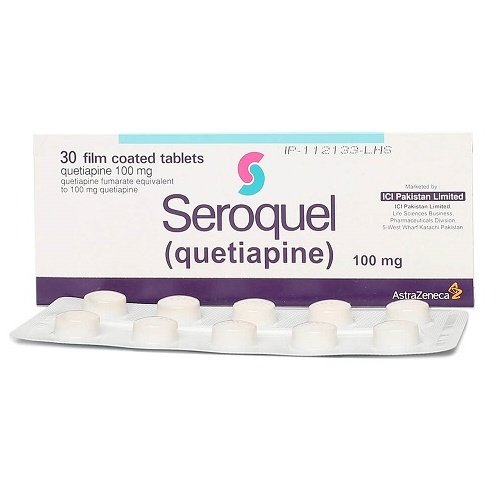
Why Do Patients and Physicians Turn to Seroquel in Real Life?
For many, the path to Seroquel starts after a string of difficult months—or years. Maybe hallucinations have crept in. Maybe mood swings have started to unravel work, relationships, or sleep. Often, other medications have already been tried and set aside: too many side effects, not enough effect, or the feeling that the treatment just isn’t matching the real challenges of daily life.
Seroquel doesn’t arrive as the hero of every story. But it is the drug many clinicians reach for when flexibility is at a premium—when a patient’s symptoms blend depression, agitation, psychosis, and sleeplessness, and the solution can’t be one-dimensional. Quetiapine, the active ingredient in Seroquel, occupies a unique space: not the most powerful antipsychotic, not the most energizing antidepressant, but sometimes the smoothest fit for the rough edges of real-world mental health care.
Clinical Insight: In United States, Seroquel has a reputation for being both a “workhorse” and a “problem solver” in Mental Health—especially when patients don’t respond to standard options, or when side effects of other drugs shut down progress.
What Sets Seroquel Apart in Practice?
- It treats both mood and psychotic symptoms—sometimes in the same person, at the same time.
- It tends to be better tolerated by people sensitive to movement disorders (like tremors or rigidity) than some older alternatives.
- It can help with sleep, which is a double-edged sword: good for severe insomnia, risky if daytime sedation is unwanted.
- Its use is highly individualized—dosing, timing, and even the decision to try Seroquel are shaped by each patient’s symptom mix and treatment history.
No medication is a perfect fit. But if you or someone you care about has bounced between treatments for schizophrenia, bipolar disorder, or treatment-resistant depression, Seroquel’s flexibility might be why it enters the conversation. That flexibility is both its strength and its challenge.
How Seroquel Works in the Brain—and Why That Matters for You
Quetiapine isn’t just another “chemical balancer.” It acts on multiple neurotransmitter systems—including dopamine, serotonin, norepinephrine, and even histamine—sometimes all at once, sometimes in sequence as the dose increases. What you feel isn’t just about blocking or boosting one signal; it’s about nudging several circuits that shape mood, perception, and sleep.
Mechanism in Real Terms
- Dopamine (D2) Modulation
- At standard doses, Seroquel softens dopamine signaling, reducing hallucinations and delusions without the “shutdown” effect of first-generation antipsychotics. Lower risk of movement disorders results from this more targeted approach.
- Serotonin (5-HT2A) Blockade
- By dampening excess serotonin activity, Seroquel helps stabilize mood and can ease both anxiety and agitation. This action overlaps with that of some antidepressants.
- Histamine Blockade
- Here’s where sedation comes in—often within hours of the first dose. For patients with insomnia mixed into their mental health picture, this can be a relief; for others, it’s a daily negotiation.
Unlike medications that stick to one pathway, Seroquel’s “broad-spectrum” approach means effects—and side effects—can be more variable from person to person. This is why two people on the same dose might have entirely different experiences, both good and bad.
This multi-pathway mechanism is also why Seroquel is sometimes chosen for people who can’t tolerate “cleaner” drugs that target only one system. The trade-off: more targets mean more potential for both benefit and unwanted effects.
Seroquel vs. Other Mental Health Medications: When Does the Difference Matter?
The decision to use Seroquel is rarely made in a vacuum. Patients, families, and prescribers will ask—sometimes out loud, often silently—“Why not risperidone? Why not aripiprazole? Why not a different mood stabilizer?” The answer almost always hinges on matching the drug’s strengths, weaknesses, and quirks to a patient’s lived experience.
Head-to-Head: Seroquel, Risperidone, and Aripiprazole at a Glance
| Attribute | Seroquel (Quetiapine) | Risperidone | Aripiprazole |
|---|---|---|---|
| FDA-Approved Indications | Schizophrenia, Bipolar Disorder (I & II), adjunct in depression | Schizophrenia, Bipolar Mania, Irritability in Autism | Schizophrenia, Bipolar I, adjunct in depression, Tourette’s |
| Mechanism | Broad: dopamine, serotonin, antihistamine | Dopamine and serotonin blocking | Dopamine partial agonist, serotonin modulator |
| Common Side Effects | Sedation, weight gain, dry mouth | Weight gain, elevated prolactin, some sedation | Restlessness, insomnia, less weight gain |
| Risk of Movement Disorders | Low to moderate | Moderate | Low |
| Sedation | High, especially at lower doses | Medium | Low |
| Metabolic Effects | Weight gain, risk of blood sugar/lipid changes | Weight gain, more prolactin elevation | Less weight gain, may raise blood sugar |
| Prescription Status (US) | Rx only | Rx only | Rx only |
| Insurance Coverage | Generally covered; generics available | Covered; generics common | Covered; generics common |
When comparing these options, it’s rarely a simple matter of “better or worse.” Where Seroquel quietly shines is in patients who need sedation and mood stabilization, who don’t tolerate movement side effects, or who have struggled with agitation that other medications can’t touch. Risperidone can be more activating—and may raise prolactin levels, leading to sexual and menstrual side effects. Aripiprazole has a lower risk of weight gain and sedation but may cause inner restlessness or difficulty sleeping. Insurance coverage in the United States is robust for all three, with generics available, but out-of-pocket costs can still vary.
Getting the Dose Right: Personalizing Seroquel in Practice
There is no one-size-fits-all with Seroquel. Dosing strategies change depending on whether you’re treating schizophrenia, bipolar disorder, or augmenting depression treatment. How quickly the dose increases, how the timing is split between morning and night, even the choice between immediate-release and extended-release formulations—all are tailored to your symptoms, metabolism, and lifestyle.
| Indication | Starting Dose (Adult) | Typical Target Dose | Maximum Dose | Dosing Notes |
|---|---|---|---|---|
| Schizophrenia | 50 mg twice daily | 300–400 mg/day (divided doses) | 800 mg/day | Titrate over several days; some benefit seen at lower doses |
| Bipolar Mania | 100 mg at bedtime | 400–800 mg/day (divided doses) | 800 mg/day | Gradual titration reduces side effects |
| Bipolar Depression | 50 mg at bedtime | 300 mg at bedtime | 300 mg/day | Usually not increased beyond 300 mg/day |
| Adjunct in Depression | 50 mg at bedtime | 150–300 mg at bedtime | 300 mg/day | Only as add-on to antidepressant |
| Elderly or Liver/Kidney Disease | Lower starting dose (e.g., 25 mg) | Individually titrated | Lower max dose recommended | Monitor closely for sedation, hypotension |
For many, the dose that “works” is the one that brings relief without overwhelming drowsiness or other side effects. U.S. clinicians often start low and titrate slowly—especially in older adults, or those with coexisting medical issues. Extended-release formulations can make once-a-day dosing possible, which is a practical advantage for some but not all.
What to Expect: Daily Life on Seroquel
The first days or weeks on Seroquel often bring a new routine: bedtime comes earlier, mornings stretch groggy, and the stomach may rumble in unexpected ways. For many, the relief of a quieter mind or a steadier mood balances these trade-offs. But some find that the initial drowsiness never fully fades, or that new challenges—like cravings or weight gain—move in.
Everyday Realities Patients Report
- Sedation is common, especially with the first dose or dose increases. For some, this means finally sleeping through the night. For others, it means struggling to wake up alert for work or school.
- Hunger and cravings, particularly for carbohydrates, can lead to weight gain over weeks or months. This isn’t inevitable, but it’s common enough to warrant active discussion with your prescriber upfront.
- Dry mouth, constipation, and sometimes lightheadedness appear early and may fade with time or dose adjustment.
- Blood sugar and cholesterol can increase, even in those without previous issues. U.S. guidelines recommend regular lab monitoring for anyone on long-term Seroquel.
Most patients find their “serious” side effects surface in the first month or two—though metabolic changes can develop slowly, which is why ongoing follow-up is critical.
Which Side Effects Matter Most with Seroquel—and When to Act
Every mental health drug comes with a side effect profile, but Seroquel’s blend is distinctive. Sedation, weight gain, and metabolic changes top the list, but rarer issues—like severe drowsiness, blood sugar spikes, or movement symptoms—demand action rather than patience.
Safety Summary Table: Seroquel Side Effects and Action Triggers
| Side Effect | Frequency | When to Contact a Doctor |
|---|---|---|
| Daytime drowsiness/sedation | Very common (>20%) | If it interferes with daily function or is unmanageable |
| Weight gain | Common (10–20%) | If rapid or >5% of starting weight |
| Elevated blood sugar/diabetes | Less common (1–5%) | If symptoms of high blood sugar: thirst, frequent urination, confusion |
| Movement changes (tremor, stiffness) | Uncommon (1–5%) | If persistent or severe |
| Severe allergic reaction | Rare (<1%) | Any sign of swelling, rash, breathing difficulty—call 911 |
| Sudden heart rhythm changes | Very rare (<1%) | If fainting, palpitations, or chest pain occur—seek urgent care |
| Suicidal thoughts (in young adults, especially) | Uncommon (exact risk unclear) | If new or increased thoughts of self-harm—contact your provider immediately |
Most people will experience some drowsiness and appetite change, but serious effects are rare. Still, it’s the rare problems—especially blood sugar changes or severe sedation—that can alter the benefit-risk balance of Seroquel. Your provider will typically order baseline labs before you start, then follow up at 3 months, 6 months, and yearly, but you should report any sudden changes between visits.
Doctor’s Perspective: “I tell my patients that Seroquel is not a ‘set it and forget it’ medication. The risks are manageable, but only if you stay in conversation with your care team. The side effect profile is one of the main reasons we schedule early follow-ups and encourage patients to speak up about anything new or worrisome—even if it seems minor at first.”
When NOT to Take Seroquel: The Non-Negotiables
- Allergy or known hypersensitivity to quetiapine or any component of the Seroquel tablet—taking it again can trigger a life-threatening reaction.
- Use with medications known to prolong the QT interval in the heart (certain antiarrhythmics, some antibiotics) without direct physician oversight—this can lead to dangerous rhythm disturbances.
- Uncontrolled diabetes or severe obesity—Seroquel can worsen metabolic parameters, and non-drug strategies or alternative medications may be preferable.
- Liver impairment—Quetiapine is processed in the liver, so dosing must be reduced and risks reassessed.
- History of certain cardiac arrhythmias or family history of “sudden cardiac death”—the risk of QT prolongation may outweigh benefits, especially if combined with other QT-prolonging drugs.
- Pregnancy and breastfeeding—Risks and benefits must be weighed carefully; Seroquel is not automatically ruled out, but extra care is warranted.
How to Get Seroquel in United States: Access, Pricing, and Pharmacy Practice
Seroquel is strictly a prescription medication in the U.S.—no over-the-counter or non-prescription options exist for legitimate purchase. Any pharmacy offering to sell Seroquel without a valid prescription is operating outside the law and puts you at risk, both medically and legally.
What the U.S. Patient Should Know
- Prescription rules: Only a licensed healthcare provider (MD, DO, NP, PA) can legally prescribe Seroquel. Telemedicine visits are generally accepted under federal and state law, especially post-pandemic.
- Dispensing: All major retail and mail-order pharmacies stock quetiapine in both brand (Seroquel) and generic forms. Your provider may specify “brand only” when clinical justification exists, but most patients use the generic for cost reasons.
- Insurance and cost: Most commercial insurance, Medicare, and Medicaid plans in the U.S. cover generic quetiapine with a low co-pay. Out-of-pocket price for Seroquel brand is significantly higher—often hundreds of dollars per month. Pharmacy discount cards may further reduce generic pricing.
- Refills and prior authorization: For stable patients, 30- or 90-day supplies are typical. Certain insurance plans may require prior authorization, especially for high doses or for off-label use (such as insomnia). Your prescriber’s office and pharmacist can anticipate and expedite these requests.
Pharmacy practice in the U.S. generally includes medication counseling, especially for new Seroquel users. Pharmacists are trained to spot risk factors for serious drug interactions or side effects, and can work directly with your prescriber if issues arise.
Seroquel FAQ: Real Questions from Real Patients
- Can I take Seroquel just for sleep?
- No. While Seroquel is sedating, current guidelines in the U.S. do not recommend it solely for insomnia due to its side effect risks. If you have a diagnosed mental health condition and insomnia is a significant part of your symptoms, your provider may consider it—but never as a first-line sleep aid.
- Will Seroquel make me gain weight, and what can I do to prevent it?
- Weight gain is common, especially in the first few months. Regular physical activity and mindful eating can help, but if you notice rapid changes, speak with your provider about dose adjustments or alternative medications. Some patients require additional support from nutritionists or metabolic monitoring.
- How long does it take for Seroquel to start working?
- Sedation is often noticeable the first day. For mood or psychosis, significant improvement may take one to several weeks, depending on the condition. Your provider will gauge response and adjust the plan as early as a few days into treatment, but full benefit can require patience.
- Can I drive or operate machinery on Seroquel?
- Not until you know how it affects you. Sedation and slowed reaction times are common, especially at treatment initiation or dose increases. Do not drive or operate heavy equipment until you’re confident in your alertness.
- What happens if I miss a dose?
- If you remember within a few hours, take it as soon as you can. If it’s almost time for your next dose, skip the missed one—never double up. Missing doses regularly can destabilize symptoms; contact your provider if you’ve missed more than one dose in a row.
- Is Seroquel safe in pregnancy or while breastfeeding?
- The risks and benefits are complex. There’s no clear evidence of major birth defects, but some risks to the infant exist. If you are pregnant, planning to become pregnant, or breastfeeding, your provider should individualize the plan—never stop or start Seroquel without clinical guidance.
- What should I do if I develop new or worsening thoughts of self-harm on Seroquel?
- Contact your healthcare provider immediately or seek urgent help. While rare, mood changes and suicidal thoughts can occur, especially in younger adults. This is a medical emergency; do not wait for your next appointment.
- Can I drink alcohol while taking Seroquel?
- Alcohol can worsen Seroquel’s sedation, impair judgment, and increase other risks. Occasional small amounts may be tolerated by some, but it is safest to avoid alcohol entirely and discuss with your provider before combining them.
Sources and References
- U.S. Food and Drug Administration (FDA) – Drugs Database
- Quetiapine (Oral Route) Description – Mayo Clinic
- American Psychiatric Association. Practice Guideline for the Treatment of Patients with Schizophrenia. 2020.
- National Institute of Mental Health – Schizophrenia
- PubMed – Quetiapine Research Database
- SEROQUEL (quetiapine fumarate) Prescribing Information, AstraZeneca Pharmaceuticals LP, 2022.
- National Alliance on Mental Illness – Mental Health Medications
- Substance Abuse and Mental Health Services Administration – Medication Information