
- Home/
- Buy Glucophage Online in United States – Fast and Easy Ordering
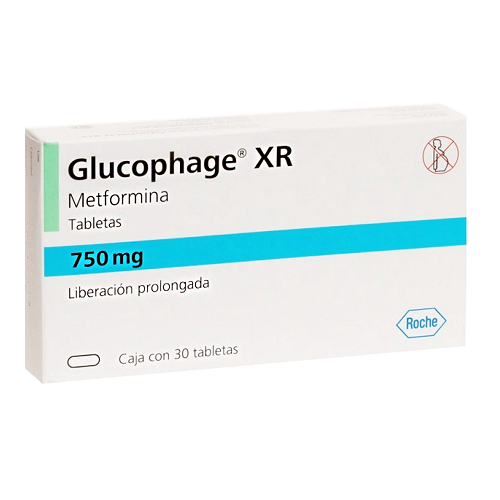
One Pill, Many Stories: Why Glucophage Is Often First for Type 2 Diabetes
It starts in a doctor’s office, maybe yours. The test comes back: your blood sugar is higher than it should be. Your doctor suggests Glucophage. Not insulin. Not a new injectable. A pill that’s been around for decades, prescribed to millions in the United States each year (CDC).
Why Glucophage? For most people newly diagnosed with Type 2 Diabetes, it’s not about tradition or habit. It’s about something rare in medicine: a drug that’s old, cheap, and—when it’s the right fit—really works. It doesn’t cause weight gain. It usually doesn’t cause low blood sugar on its own. And unlike some newer options, it’s covered by virtually every insurance plan and available in every pharmacy across the country.
But Glucophage isn’t “one size fits all.” Some people tolerate it effortlessly. Others struggle with stomach upset or need a different approach. What matters is understanding where you fit on that spectrum—and how to make Glucophage work for you, not the other way around.
Inside Glucophage: How Metformin Actually Works for Your Body
Metformin, the active ingredient in Glucophage, targets the root of Type 2 Diabetes: insulin resistance and excess sugar production in your liver. Unlike medications that force your pancreas to produce more insulin, metformin mostly tells your liver to stop making so much glucose when you don’t need it. It also helps your muscle cells use glucose more effectively—so your blood sugar stays in check without flooding your system with more insulin.
That difference matters. Drugs that push more insulin can cause your blood sugar to drop too low (hypoglycemia) or lead to weight gain. Metformin, and by extension Glucophage, generally doesn’t (CDC: Type 2 Diabetes Basics). This is why many clinicians reach for it first.
- Insulin Sensitizer
- Metformin helps your body’s own insulin work more efficiently. This lowers blood sugar without increasing insulin production.
- Liver Glucose Blocker
- The drug reduces the amount of glucose released by your liver, especially overnight and between meals.
- Weight Neutral
- Most people taking Glucophage do not gain—and sometimes even lose—a small amount of weight.
Most patients begin to see their fasting blood sugar improve within a few days to weeks, but the full effect can take two to three months. That’s why doctors often schedule follow-up labs several weeks after you start or increase your dose.
Beyond the Label: What Glucophage Really Means for Your Daily Life
There’s what the pharmacy bag says—and then there’s the reality of taking Glucophage every day in the United States. Your experience depends not just on the drug, but your habits, your meals, and your body’s quirks.
- Meal Timing: Glucophage almost always works better—and is much easier on your stomach—when taken with food. Skipping meals can amplify stomach pain or nausea.
- Routine: If you miss doses, your blood sugar control unravels quickly. Consistency matters.
- GI Upset: Some patients describe the first week as a “test of will” due to bloating, cramps, or diarrhea. For most, these settle with time or a slower dose increase.
- Alcohol: Mixing heavy drinking with Glucophage increases risk for rare but very serious side effects. Moderation is not just advice—it’s safety.
- Labs and Checkups: Your doctor will watch your kidney function before and during treatment. Many patients are surprised that a blood test—not just blood sugar readings—controls whether they can stay on Glucophage.
For many, Glucophage becomes part of the morning routine, no more disruptive than a cup of coffee. For others, finding the right dose and schedule is a process. Knowing what’s normal—and what isn’t—helps you stay on track without needless anxiety.
The Glucophage Decision Table: How It Compares to Other Type 2 Diabetes Medications
Type 2 Diabetes treatment in United States is crowded with options: GLP-1 agonists, SGLT2 inhibitors, older sulfonylureas, and insulins. So, why is Glucophage so often first out of the gate—and for whom might it not be?
| Feature | Glucophage (Metformin) | GLP-1 Agonists (e.g., Semaglutide) | Sulfonylureas (e.g., Glipizide) |
|---|---|---|---|
| Primary Effect | Reduces liver glucose production, improves insulin sensitivity | Stimulates insulin secretion, slows gastric emptying, promotes satiety | Stimulates pancreas to release more insulin |
| Hypoglycemia Risk | Low (alone) | Low | Moderate to High |
| Weight Impact | Neutral or mild loss | Weight loss common | Weight gain common |
| GI Side Effects | Common, often mild—nausea, diarrhea | Common—nausea, vomiting | Less common |
| Heart & Kidney Benefits | Some evidence, especially for heart | Strong evidence for both in select patients | None |
| Prescription Requirement (U.S.) | Yes | Yes | Yes |
| Cost (U.S.) | Low, generics widely available | High without insurance | Low (generic) |
| Insurance Coverage | Nearly universal | Variable, often requires prior authorization | Very common |
| Monitoring Required | Kidney function, B12, blood sugar | Renal function, GI symptoms | Blood sugar, risk of low blood sugar |
In practical terms, Glucophage stands out for affordability, low risk of hypoglycemia, and weight neutrality—but is less likely to cause dramatic weight loss or offer heart/kidney protection in high-risk patients compared to newer drugs. Sulfonylureas remain cheap, but bring higher risk of blood sugar dips and weight gain. GLP-1 agonists can be game-changers for some, but cost and insurance hurdles make them harder to access. For many, Glucophage is the first and sometimes only medication needed.
Starting Glucophage: Habits, Dosage, and When to Expect Results
Glucophage dosing isn’t one-size-fits-all. Most people start low to minimize stomach upset, then increase slowly over days or weeks. The timing, meal pattern, and your own body shape how well you tolerate each step up.
| Patient Type | Starting Dose (Typical) | How to Take | Maximum Dose (per FDA) |
|---|---|---|---|
| Most Adults (Immediate-Release) | 500 mg once or twice daily | With meals | 2,000–2,550 mg/day (divided doses) |
| Most Adults (Extended-Release/ER) | 500 mg once daily (evening) | With evening meal | 2,000 mg/day |
| Renal Impairment (Mild) | Lower starting dose, slower increases; may be contraindicated if function decreases further | Doctor-directed | Determined by renal function |
| Children (10–17 years) | 500 mg twice daily | With meals | 2,000 mg/day |
Most people will not start at the “target” dose immediately. Doctors stagger increases—sometimes every week or two—based on how your stomach, blood sugar, and kidneys handle the medication (FDA Prescribing Information).
The first signs of improvement can appear within days, but most patients need several weeks to reach full effect. If you don’t see progress, don’t adjust the dose yourself—talk to your healthcare provider first. Bloodwork and check-ups are the roadmap here.
Which Side Effects Matter Most with Glucophage — and When to Act
Most people taking Glucophage experience little more than mild stomach discomfort in the first days or weeks. But not all side effects are minor, and some are warning signs that require immediate attention.
- Common: Nausea, bloating, diarrhea—these usually fade as your body adapts or with dose adjustments.
- Uncommon but Serious: Lactic acidosis (rare), vitamin B12 deficiency with long-term use, allergic reactions.
- Low Blood Sugar Risk: Glucophage rarely causes hypoglycemia unless combined with other diabetes drugs.
“In my experience, most patients are worried about low blood sugar or severe side effects with Glucophage. But the biggest practical issue is usually GI discomfort—easy to manage if caught early. True emergencies are rare but unmistakable; if you feel acutely ill, don’t wait, especially if you have kidney disease or dehydration.”
| Side Effect | How Common? | When to Call Your Doctor |
|---|---|---|
| Nausea / Diarrhea | Very common (up to 25%) | If severe, persistent, or causing dehydration |
| Lactic Acidosis | Very rare (<0.1%) | Immediately if you have rapid breathing, unusual drowsiness, severe weakness, or sudden abdominal pain |
| Vitamin B12 Deficiency | Uncommon with long-term use | If you develop unexplained fatigue, numbness, or anemia |
| Allergic Reaction | Rare | Immediately with rash, swelling, or breathing trouble |
Bottom line: stomach trouble is typical but manageable. Severe symptoms—especially in people with kidney or liver issues—are not normal. Most patients who run into problems do so because they didn’t realize which symptoms signaled a real emergency.
When Not to Take Glucophage
- Severe kidney disease (eGFR < 30 mL/min/1.73m2): Glucophage is excreted by the kidneys, and impaired function increases risk for lactic acidosis—a rare but life-threatening problem.
- Active liver disease: Poor liver function can raise lactic acid levels, compounding risk.
- Heavy alcohol use: Drinking large amounts of alcohol, especially binge drinking, increases the risk of lactic acidosis in combination with Glucophage.
- Contrast dye procedures: If you are scheduled for an imaging study with IV contrast, you may need to stop Glucophage temporarily to protect your kidneys.
- Severe infection, dehydration, or shock: These situations can change your kidney function quickly and make Glucophage unsafe, even if it was safe before.
- Moderate kidney impairment (eGFR 30–45): dose adjustment or close monitoring is needed.
- Older age (over 80): only if kidney function is confirmed normal.
- History of vitamin B12 deficiency: periodic testing is recommended.
- Severe heart failure: risk/benefit must be considered individually.
Always tell every healthcare provider—not just your diabetes doctor—that you take Glucophage. Unexpected illnesses, new medications, or planned procedures may temporarily change whether it’s safe to continue. When in doubt, ask—many problems are preventable with a single phone call.
Getting Glucophage in the United States: Access, Cost, and Practicalities
Glucophage is prescription-only in the United States, regardless of whether you’re seeking the brand or a generic metformin. It is regulated by the FDA, and every pharmacy—local, chain, or mail-order—carries it. Here’s what the process looks like for most patients:
- Get a prescription from a licensed U.S. healthcare provider. Telemedicine is an option in most states for an initial consultation.
- Fill it at your choice of pharmacy. Prices for generic metformin (Glucophage) are typically $4–$20 per month without insurance. Brand-name Glucophage can cost more, but most patients use the generic.
- Insurance almost always covers metformin, with small copays. If you don’t have insurance, most chain pharmacies offer affordable cash prices—or you can use prescription discount programs.
- Mail-order pharmacies can deliver Glucophage to your door if allowed by your plan or state law. Overnight shipping is rarely needed; this is a stable, shelf-ready medication.
Reimbursement, prior authorization, and step therapy are not usually barriers for Glucophage—this is one medication where cost and access are rarely the reason for treatment changes.
FAQ: Real Questions About Glucophage from Patients in the United States
- How quickly will Glucophage start lowering my blood sugar?
- Many people see lower fasting blood sugars within a few days, but the full effect takes two to three months. Regular follow-up labs help track your response over time.
- Can I drink alcohol while taking Glucophage?
- Light to moderate alcohol is generally safe for most healthy adults. However, heavy or binge drinking can increase your risk of lactic acidosis, a rare but serious reaction. Always discuss your drinking habits with your doctor before starting.
- What if I miss a dose of Glucophage?
- If you forget a dose and it’s close to your next scheduled time, skip the missed dose—don’t double up. Taking two doses together can increase side effects but won’t improve blood sugar.
- Does Glucophage cause weight loss?
- Most patients do not lose significant weight, but some experience mild weight loss. More dramatic weight changes are rare and usually due to other factors or medications in combination.
- Why does my doctor need to check my kidneys before I start Glucophage?
- Metformin is cleared by the kidneys. Poor kidney function raises the risk of a rare but serious condition called lactic acidosis. Regular blood tests protect your safety.
- Is there a difference between Glucophage and generic metformin?
- The active ingredient is the same. Most patients have no problem switching between generic and brand, but some may notice differences in side effects or how their body responds. Always talk to your doctor if you plan to switch.
- Can I stop taking Glucophage if my blood sugar returns to normal?
- Don’t stop on your own. Normal blood sugar often means the medication is working. Stopping abruptly can cause sugars to rise again. Discuss any plans to stop or adjust your medication with your healthcare provider first.
References / Sources
- U.S. Food and Drug Administration (FDA)
- National Diabetes Statistics Report, CDC
- Standards of Medical Care in Diabetes—2024, American Diabetes Association
- Metformin: Why is it the first choice for Type 2 Diabetes? — Mayo Clinic
- Glucophage Prescribing Information, FDA
- ClinicalTrials.gov
- American Diabetes Association
- Management of Hyperglycemia in Type 2 Diabetes: A Consensus Report, ADA/EASD, 2022