
- Home/
- Buy Zithromax Without Prescription in the United States Online
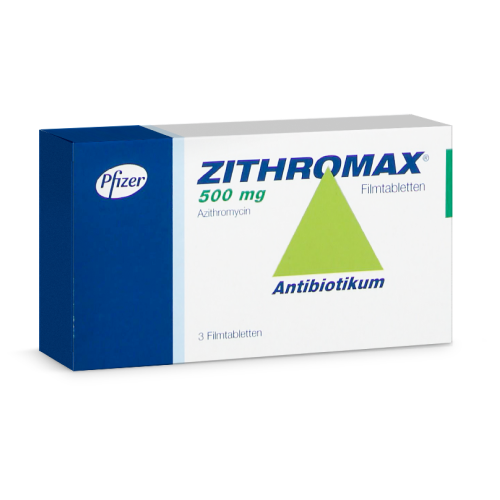
Why Zithromax Gets Prescribed When Other Antibiotics Don’t
Picture yourself in your doctor’s office, feverish and coughing. You’ve tried to fight it off, but it’s getting worse. The doctor considers options—then reaches for Zithromax. Why not amoxicillin, or one of the dozens of other antibiotics? The answer isn’t just about what bacteria you might have. It’s about time, tolerance, and, often, your lifestyle.
Azithromycin, the engine inside Zithromax, is chosen when a rapid, reliable effect is needed but the patient wants to avoid a week of pills. The classic “Z-Pak” is a five-day course, but the drug lingers in your body for much longer, delivering its punch long after the last pill. That single fact—shorter dosing, longer effect—shapes why Zithromax is prescribed in America, from urgent care clinics to telemedicine visits.
“We use Zithromax for patients who might not finish a longer antibiotic course, or who’ve already had a reaction to other drugs. It’s the go-to for certain infections where compliance is a major issue.”
- Respiratory infections like community-acquired pneumonia and bronchitis often land you on Zithromax when a viral cause isn’t likely and other antibiotics aren’t ideal.
- Zithromax is also a mainstay for some sexually transmitted infections, especially chlamydia, because of its one-time dosing option. This is unique among antibiotics.
- For children with ear infections or adults allergic to penicillin, Zithromax is preferred for its milder taste and lower allergy risk.
But it’s not a cure-all. In fact, U.S. guidelines have tightened in recent years: Zithromax is not first-line for sinus infections or routine sore throats. Overuse risks making it less effective in the future—a reality most patients underestimate until it affects them directly.
How Zithromax Actually Works in Real Bodies, Not Just in the Lab
Azithromycin interrupts how bacteria grow, but what matters to you is the “stickiness” of the drug: it concentrates inside your cells, especially in the lungs, sinuses, and skin. This is why a short course works so well for infections in these areas—it keeps fighting bacteria long after your last dose.
- Azithromycin
- A macrolide antibiotic, meaning it disrupts bacterial protein synthesis by binding to the 50S ribosomal subunit. For patients, this means bacteria stop growing, giving your immune system the upper hand.
Other antibiotics, like amoxicillin, circulate mainly in the bloodstream and require more frequent dosing. In contrast, Zithromax’s unique tissue penetration means that infections in hard-to-reach places—like the bronchial tubes—respond particularly well. But this extended presence comes with a twist: side effects, particularly stomach upset, may also linger.
Taking Zithromax: What to Expect and How to Get It Right
No medication is truly “set and forget.” Zithromax’s ease of use is one reason it’s so popular, but even here, details matter. Dosing regimens vary—sometimes it’s a single 1-gram dose, sometimes it’s the classic “Z-Pak” (500 mg on day one, then 250 mg for four more days). For children, or special infections, the dosing can look different. Always check your prescription label and ask your pharmacist if the instructions aren’t clear.
| Indication | Typical Adult Dose | Pediatric Dose | Duration |
|---|---|---|---|
| Community-Acquired Pneumonia | 500 mg on day 1, then 250 mg daily x 4 days | 10 mg/kg on day 1, then 5 mg/kg x 4 days | 5 days |
| Chlamydia | 1 gram single dose | 20 mg/kg single dose (max 1 gram) | 1 day |
| Strep Throat (if penicillin allergy) | 500 mg day 1, then 250 mg daily x 4 days | 12 mg/kg daily x 5 days | 5 days |
What does this mean for you? For most adults, Zithromax means fewer pills, but that also means you must complete the entire course, even if you feel better after day two. For children, liquid formulations can be easier, but confirm the dose with your pediatrician, as errors are more common here than with many other antibiotics.
Food can reduce stomach upset but isn’t required. However, for the single-dose treatment of some STIs, taking it with at least a light meal can help minimize nausea. If you vomit within an hour of taking Zithromax, call your healthcare provider to discuss whether you need to repeat the dose.
Zithromax in the Real World: What Patients Get Wrong and Why It Matters
Many patients in the United States believe antibiotics like Zithromax are “stronger” or “faster” than their alternatives. The reality is more nuanced. Clinical trials show Zithromax is as effective as other appropriate antibiotics for most respiratory infections, but it isn’t universally better. Its advantage comes from the shorter course and better tolerability—not higher potency. But here is where real-world use gets messy.
- Stopping Early: Patients often stop Zithromax after two or three days, thinking the infection is cured. In truth, the drug needs its full course to prevent relapse and resistance.
- Overusing for Viral Illnesses: Zithromax does nothing for viral colds or flu, yet it is often requested by name in the U.S.—sometimes even prescribed “just in case.” This misuse drives antibiotic resistance, making future infections harder to treat.
- Expecting Immediate Relief: Even with Zithromax’s tissue penetration, most bacterial infections take 24-72 hours to show marked improvement. If you’re not better after three days, call your healthcare provider, but don’t double up or switch antibiotics without medical advice.
The bottom line: Convenience comes with responsibility. Taking Zithromax when you don’t need it, or not as prescribed, increases your risk of future antibiotic resistance—a problem affecting more Americans each year, with real consequences when you need an antibiotic that actually works.
Comparing Zithromax to Other Antibiotics: The Unexpected Differences
| Attribute | Zithromax (Azithromycin) | Amoxicillin | Doxycycline |
|---|---|---|---|
| Typical Use | Respiratory, skin, some STIs | Respiratory, ear, dental, urinary | Respiratory, skin, tick-borne, some STIs |
| Dosing Convenience | Once daily (5 days or less) | 2-3 times daily (7-10 days) | Once or twice daily (7-14 days) |
| Common Side Effects | GI upset, rare heart rhythm issues | GI upset, rash, rare allergy | GI upset, sun sensitivity |
| Major Contraindications | Serious liver disease, some heart arrhythmias | Serious penicillin allergy | Pregnancy, children under 8 |
| Cost (U.S.) | Low (generic available) | Very low (widespread generic) | Low (generic available) |
| Prescription Needed? | Yes | Yes | Yes |
Here’s what this means in practice: Zithromax wins on dosing convenience—there’s simply no comparable short-course antibiotic that covers the same infections with as little fuss. Amoxicillin is usually first-line for ear and sinus infections, unless you’re allergic or likely to miss doses. Doxycycline covers many of the same infections but is avoided in young children and pregnant women, and requires sun protection.
In the United States, insurance plans typically cover all three options. Zithromax may be more expensive out of pocket than amoxicillin, but the total cost is often similar thanks to the shorter course and generic options. Always ask your pharmacist about price, especially if you’re paying without insurance—differences can be substantial between pharmacies.
Which Side Effects Matter Most with Zithromax—and When to Act
For most patients, Zithromax is well-tolerated. Stomach upset, diarrhea, and mild nausea are the most common effects, usually mild and self-limited. But certain less frequent effects deserve more attention—especially given Zithromax’s long tissue “tail.”
- Gastrointestinal: Diarrhea (may be severe), abdominal pain, and nausea are the top complaints. In rare cases, severe or persistent diarrhea can signal C. difficile infection, which requires immediate medical attention.
- Allergic Reactions: Rash, itching, or swelling—especially of the face or throat—are warning signs. These symptoms are rare, but always warrant a call to your doctor or emergency services.
- Liver Effects: Very rarely, Zithromax can cause hepatitis or liver failure, particularly in those with pre-existing liver disease. Jaundice (yellowing of the skin or eyes), dark urine, or severe fatigue are red flags.
- Heart Rhythm: Palpitations, fainting, or irregular heartbeat are rare but serious. Patients with a known history of rhythm problems or those on other QT-prolonging medications should discuss risks before starting Zithromax.
| Side Effect | How Common? | When to Call Your Doctor |
|---|---|---|
| Nausea / Diarrhea | Common | If severe, persistent, or with blood |
| Rash / Hives | Uncommon | Immediate call, especially with swelling |
| Jaundice / Dark Urine | Rare | Stop medication and call immediately |
| Heart Palpitations / Fainting | Rare | Seek emergency medical help |
| C. difficile Diarrhea | Very rare | If severe, watery diarrhea persists |
Most side effects resolve quickly after stopping the drug, but because azithromycin remains in tissue for days, symptoms can linger or even appear after you finish the course. If you experience anything unusual, call your doctor—don’t wait for your next scheduled appointment.
When Not to Take Zithromax: What Your Doctor Worries About (Even If You Don’t)
- History of severe allergic reaction to azithromycin or any macrolide antibiotics
- Known liver failure or severe hepatitis
- Previous life-threatening arrhythmia related to Zithromax
- Existing heart rhythm disorders (QT prolongation), or use of other QT-prolonging drugs
- Significant electrolyte disturbances (especially low potassium or magnesium)
- Current use of certain blood thinners or antiarrhythmic medications
- History of severe liver disease not in active failure
Doctors in the United States are particularly careful prescribing Zithromax to patients with these risk factors. If you’re unsure about your medical history, bring a complete list to your appointment—especially any heart or liver issues, and all medications you take, including supplements.
“Sometimes a patient forgets to mention they’re on another medication that can affect the heart. Even something as simple as a diuretic can change the calculus. It’s always better to list everything, no matter how minor it seems.”
If you fall into a “relative contraindication” group, your doctor may still prescribe Zithromax, but with extra caution—perhaps with EKG monitoring or lab checks. In some cases, an alternative antibiotic will be safer. If you feel rushed in your appointment, slow things down: these are not decisions to take lightly.
Accessing Zithromax in the United States: Cost, Insurance, and Getting Your Prescription
In the United States, Zithromax is a prescription-only medication. This means you’ll need a healthcare provider’s approval—an MD, DO, nurse practitioner, or physician assistant. Why so strict? To prevent misuse, resistance, and dangerous self-medication. U.S. pharmacies will not dispense it without a valid prescription, even for the generic version (azithromycin).
- Insurance Coverage: Most health insurance plans, including Medicaid and Medicare Part D, cover generic azithromycin. Co-pays can be as low as a few dollars at major chain pharmacies. However, your plan may require “step therapy,” meaning you may have to try a cheaper antibiotic first for certain infections.
- Out-of-Pocket Costs: Without insurance, retail prices vary—$10 to $50 for a full course is typical, but some discount programs reduce this further. Always ask your pharmacist about discounts or manufacturer coupons.
- Availability: Zithromax is stocked at nearly every community pharmacy in the U.S. Online pharmacies require you to submit a valid prescription and, in most cases, offer no price advantage over large retail chains, unless you are uninsured and can access a special program.
- Telehealth and Urgent Care: Since the pandemic, telemedicine visits for acute infections have become common, and Zithromax is one of the most frequently prescribed antibiotics in these settings. Be prepared to discuss your symptoms thoroughly—antibiotic stewardship is a growing priority, and your provider may push back if they suspect a viral illness.
Pharmacists in the U.S. are trained to check for drug interactions and will often provide counseling at the counter. Don’t hesitate to ask about timing, food interactions, or what to do if you miss a dose. For those who need medication delivered, most major chains now offer home delivery or mail order—but you’ll still need a prescription on file.
Frequently Asked Questions about Zithromax
- Can I take Zithromax if I’m allergic to penicillin?
- Yes, Zithromax (azithromycin) is not chemically related to penicillin, so most patients with penicillin allergy tolerate it well. Still, always inform your provider about all your allergies—especially to other antibiotics.
- What happens if I miss a dose of Zithromax?
- If you remember within 12 hours, take it as soon as possible. If more time has passed, skip the missed dose and resume your schedule. Never double up to “catch up.”
- Is it safe to drink alcohol while taking Zithromax?
- Moderate alcohol does not interact directly with Zithromax, but heavy drinking can worsen side effects and stress your liver. It’s best to minimize alcohol until your infection resolves.
- Can I use Zithromax for COVID-19 or other viral infections?
- No. Zithromax is not effective against viruses, including SARS-CoV-2, and should not be used for viral illnesses unless there is a clear bacterial co-infection, as determined by your doctor.
- Should I take probiotics with Zithromax?
- Probiotics may help reduce the risk of diarrhea associated with antibiotics, but evidence is mixed. If you choose to take them, space them a few hours apart from your Zithromax dose.
- How soon will I feel better on Zithromax?
- Most patients notice improvement within 48-72 hours. If you are not feeling better after three days, contact your healthcare provider to reassess your diagnosis and treatment.
- Is Zithromax safe in pregnancy?
- Azithromycin is considered relatively safe in pregnancy when needed and prescribed by a healthcare provider, but it should not be used without clear medical justification. Discuss all risks and benefits with your obstetrician.
Sources / References
- U.S. Food and Drug Administration (FDA): Azithromycin Information
- Centers for Disease Control and Prevention (CDC): Antibiotic Use in the United States
- Mayo Clinic: Azithromycin (Oral Route) Description and Brand Names
- PubMed: Clinical Studies on Azithromycin
- Infectious Diseases Society of America (IDSA): Practice Guidelines for Antibiotic Stewardship
- FDA Zithromax (Azithromycin) Prescribing Information
- CDC Guidelines: Chlamydia Treatment
- Azithromycin. Lexicomp Online Database. Wolters Kluwer, 2024.