
- Home/
- Buy Propecia in Online Pharmacy Available in the United States
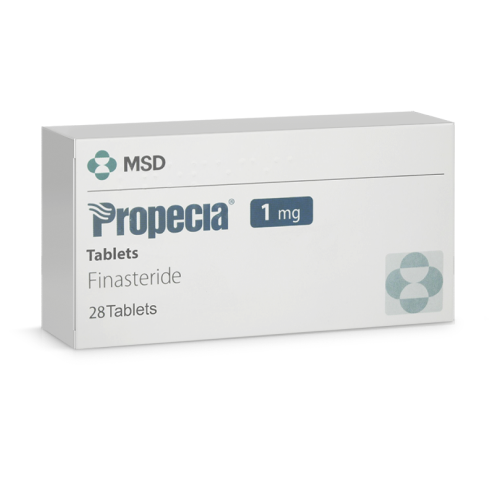
Propecia (finasteride 1 mg) is a prescription medication FDA-approved to treat male pattern hair loss in the United States. It works by lowering levels of a hormone (DHT) that shrinks hair follicles, helping many men slow, stop, or partially reverse hair loss. What you need to know first: Propecia can work well for the right patient, but results, side effects, and access differ from what many expect—understanding those differences is the key to making the best decision for your situation.
Why Propecia? The Real Reasons Doctors Recommend It for Hair Loss
Most men begin their search for a hair loss solution with hope—or skepticism. The drugstore shelf is crowded: shampoos, minoxidil foams, thickening sprays. Still, doctors across the United States continue to prescribe Propecia. Why? Because in the otherwise unreliable landscape of hair loss treatments, Propecia is the only oral medication FDA-approved to actually change the course of male pattern hair loss, not just camouflage it.
Men who come to the clinic often say they’ve tried “everything”—but nothing has the consistent evidence or clinical backing of Propecia’s active ingredient, finasteride. It is not about overnight regrowth or magic bullets; the real value is stability. With Propecia, hair loss can slow, sometimes stop, and in the most responsive patients, even partially reverse—especially when treatment begins early. No other oral medication prescribed for male pattern baldness has been studied as extensively in the United States.
Clinical Insight: Propecia is not for every cause of hair loss. It’s specifically for androgenetic alopecia—hereditary male pattern hair loss, the type that runs in families and follows a recognizable pattern. It won’t work for hair loss due to stress, illness, or scarring conditions.
So, the real reason doctors reach for Propecia first: predictability. While not everyone will respond, the odds are clearer, the side effect profile is well-known, and the prescription process is straightforward in the United States. For men frustrated with slow progress using over-the-counter options, Propecia represents the main evidence-based path toward keeping more of the hair they have.
What to Expect: Results Timeline and Who Actually Benefits
The question isn’t “Does Propecia work?”—it’s “Who does it work for, and how much?” Clinical trials and real-world experience align on this: Propecia delivers the most for men in the early stages of hair thinning, not for those with advanced baldness.
Visible regrowth is rare. Most patients experience stabilization—less shedding, slowing of further loss, sometimes subtle thickening at the crown or hairline. Those who start Propecia in their twenties or early thirties, and those who catch the process before significant scalp visibility, have the best odds of meaningful benefit.
Typical Results Timeline with Propecia
- First 3 months: Little to no visible change. Some may notice decreased shedding, but this is not universal.
- 3–6 months: Signs of hair loss stabilization become more apparent—less hair in the drain, slower recession.
- 6–12 months: Some men see minor thickening at the vertex (top) of the scalp. Marked regrowth is uncommon but possible.
- After 12 months: Most who will benefit have reached their plateau. Long-term use is needed to maintain results.
Stopping Propecia typically means returning to your pre-treatment hair loss rate, sometimes with temporary extra shedding. The medication does not “cure” hair loss; it manages it. This distinction is crucial for setting expectations and for making informed, long-term decisions about use.
Propecia vs. Other Hair Loss Treatments—A True Side-by-Side Comparison
Should you take Propecia, try minoxidil, or look elsewhere? The landscape is crowded, but the differences are sharper than the marketing suggests. Propecia’s main competition: minoxidil (Rogaine), generic finasteride, and non-prescription “hair growth” products that rarely deliver clinical results. Here’s how they compare where it matters:
| Attribute | Propecia (Finasteride 1 mg) | Minoxidil (Topical) | Dutasteride (Off-Label) |
|---|---|---|---|
| Type | Oral tablet, prescription | Topical foam or solution, OTC | Oral capsule, prescription (not FDA-approved for hair loss) |
| Mechanism | Inhibits Type II 5α-reductase, lowers DHT | Unknown: believed to prolong hair growth phase | Inhibits Type I & II 5α-reductase, lowers DHT more |
| Effectiveness | Stabilizes or slows loss in 80–90% of men; some regrowth | Stabilizes loss in ~60%; less regrowth than oral finasteride | May be more effective than finasteride, but higher risk and off-label |
| Onset | 3–6 months for effect | 4–6 months for effect | 3–6 months for effect |
| Common Side Effects | Sexual dysfunction, mood changes | Scalp irritation, minimal systemic risks | Sexual dysfunction, more pronounced |
| FDA Approval for Hair Loss | Yes (for men) | Yes | No |
| Cost (US, typical) | $10–$70/month (generic is less) | $15–$50/month | Varies; often not covered |
| Prescription Needed | Yes | No | Yes |
This table shows why Propecia dominates the prescription space: it is the only oral option with FDA approval for male pattern baldness, a strong safety record, and extensive insurance and pharmacy infrastructure behind it in the United States. Minoxidil is easier to access and works for some, but rarely as well or as predictably. Dutasteride may be slightly more effective but is not FDA-approved and brings more side effect risk. Non-prescription “supplements” have little evidence and almost never match the results seen with Propecia or minoxidil.
Inside the Pill: How Propecia and Finasteride Change Hair Loss
Hair loss is not just genetic fate. It is a hormone-driven process—specifically, the action of dihydrotestosterone (DHT) shrinking susceptible hair follicles over time. Propecia, through its active ingredient finasteride, blocks this conversion by inhibiting the Type II 5α-reductase enzyme. DHT levels in the scalp drop, and in many men, the progressive miniaturization of hair slows or stops altogether.
Finasteride’s effect is not all or nothing. Some follicles respond better than others. The medication does not create new hair but allows susceptible follicles to grow as they once did, sometimes restoring thickness. Key: DHT is only part of the hair loss story, so results vary, and no medication is universally effective.
- Dihydrotestosterone (DHT)
- A potent form of testosterone. In genetically predisposed men, DHT binds to hair follicle receptors, causing them to shrink and produce thinner, shorter hairs.
Unlike topical treatments that act locally, Propecia lowers DHT throughout the body. This systemic action explains both its effectiveness—especially at the crown—and its potential for side effects. That’s also why the prescription process in the United States is thorough: your doctor will check for conditions where DHT suppression could cause harm.
Taking Propecia in Real Life: How to Use It, How to Make It Work
Propecia’s instructions seem simple—one 1 mg tablet daily, with or without food—but the real challenge is consistency and patience. Missing doses occasionally is unlikely to undo progress, but regular use is essential for benefit. Skipping weeks, or stopping and starting, leads to disappointment and a return of hair loss.
In the United States, your prescription will be filled at a pharmacy, and most insurance plans do not cover Propecia for hair loss (though generic finasteride is more affordable). Keep your tablets in their original packaging, away from moisture and light.
Practical Tip: Results usually take at least 3 months. Mark your calendar for review at 6 and 12 months—these are the points where you and your doctor can objectively judge if Propecia is working for you.
Propecia is safe to handle for most adults, but women who are pregnant or may become pregnant should not touch broken or crushed tablets, as absorption can harm a developing fetus. Keep all medication out of reach of children and pets.
Which Side Effects Matter Most with Propecia—And When to Act
No medication is free of risk, but Propecia’s side effect profile is both well-researched and hotly debated. Sexual side effects—reduced libido, difficulty with erections, decreased semen volume—are reported by up to 4–7% of men in clinical trials. The majority of users experience no such effects, and most who do see symptoms resolve after stopping. However, a small subset report persistent symptoms after discontinuation—a phenomenon sometimes called “post-finasteride syndrome.” Evidence for this is limited and controversial, but it is a real concern in clinical practice.
Mood changes—including depression and anxiety—have been reported, though these are rare and not conclusively linked in large studies. Breast tenderness or enlargement is possible, as is a slight increase in risk for high-grade prostate cancer, though the data are nuanced and should be discussed with a physician for individual risk analysis.
Propecia Safety Summary Table
| Side Effect | Estimated Frequency | When to Contact a Doctor |
|---|---|---|
| Decreased libido | 4–7% | If persistent or distressing |
| Erectile dysfunction | 2–5% | If symptoms do not resolve or worsen |
| Decreased semen volume | ~1–3% | If severe or associated with other symptoms |
| Mood changes (depression, anxiety) | <1% | If new, severe, or persistent |
| Breast tenderness or enlargement | <1% | If noticeable or painful |
| Allergic reaction | Rare | Immediately, if rash, swelling, or trouble breathing |
For most patients, the risk of side effects is low, and discontinuation usually leads to full resolution. Ongoing sexual dysfunction or mood symptoms after stopping Propecia are rare, but those with a history of psychiatric or sexual disorders should discuss these risks with a knowledgeable physician before starting therapy.
“In clinical practice, the vast majority of men tolerate Propecia without significant side effects. However, every patient’s risk profile is unique—past history of depression, or previous issues with sexual function, may influence our decision to prescribe or recommend alternatives. The key is open communication: let your doctor know about any side effects early, and don’t hesitate to stop if symptoms persist or worsen.”
When Not to Take Propecia: Warnings and Who Should Avoid It
- Absolutely do not take Propecia if:
- You are female (Propecia is neither safe nor effective for women, and can cause birth defects if handled during pregnancy)
- You have known hypersensitivity to finasteride or any tablet component
- You are under 18 years of age
- Do not use Propecia for hair loss if:
- Your hair loss is not due to androgenetic alopecia (pattern hair loss); it will not help with other types such as alopecia areata or scarring alopecia
- You have significant liver disease; finasteride is metabolized in the liver and may not be safe
- Relative cautions:
- History of prostate cancer or elevated PSA—Propecia lowers PSA levels and can mask early detection; discuss this with your physician
- History of depression or sexual dysfunction—risks may be higher and warrant close monitoring
The FDA and prescribing guidelines are clear: avoid Propecia entirely during pregnancy, and keep broken or crushed tablets away from anyone who is or could become pregnant. In the United States, pharmacists are trained to reinforce these warnings at the point of dispensing, and packaging reflects these risks.
Getting Propecia in the United States: Prescriptions, Cost, and Access
Propecia is a prescription drug in the United States. Only a licensed physician, nurse practitioner, or physician assistant can write the prescription, usually after an in-person or telemedicine evaluation. Most pharmacies—chain, independent, and mail-order—stock both the brand and generic (finasteride 1 mg) forms. Online clinics and legitimate telehealth services often provide prescription and dispensing, but always verify the provider’s credentials and pharmacy licensing before starting treatment.
Typical Cost in United States: $10–$70 per month for brand, $7–$20 for generic finasteride (as of 2024). Most insurers do not cover Propecia for hair loss, but may cover generic finasteride for other indications; check your plan’s policy.
Pharmacists in the United States cannot legally dispense Propecia without a valid prescription. Buying finasteride from unregulated sources or international online pharmacies puts you at risk of counterfeit or sub-standard medication—and may be illegal. If cost is a concern, ask your doctor or pharmacist about generic finasteride, which is equally effective for hair loss at the same 1 mg daily dosage.
FAQ: Honest Answers to Real Propecia Questions
- Will Propecia make my hair grow back—or just stop more from falling out?
- Most men experience stabilization—less shedding and slower loss. Some see mild regrowth, typically at the crown. True “full” regrowth is rare, especially if hair loss is advanced. The main benefit is protecting the hair you still have.
- How long do I have to keep taking Propecia for results?
- Propecia must be taken continuously to maintain results. Stopping leads to a return of hair loss within several months. Most men stay on it for years, with regular follow-up to monitor effectiveness and side effects.
- Are sexual side effects really common?
- Sexual side effects—reduced libido, difficulty with erections—occur in about 4–7% of men in studies, but most men have no symptoms. For those affected, symptoms usually resolve after stopping, but persistent cases are possible, though rare.
- Can women take Propecia for hair loss?
- No. Propecia is not approved for women, does not work for female pattern hair loss, and can cause birth defects if taken or handled during pregnancy. Women experiencing hair loss should seek a dermatologist for alternative options.
- What’s the difference between Propecia and generic finasteride?
- Generic finasteride 1 mg is identical in active ingredient and effectiveness. The main differences are branding, price, and sometimes tablet appearance. Both require a prescription in the United States and are used the same way.
- Can I take Propecia with minoxidil at the same time?
- Yes. Many doctors recommend using both together for men with more advanced or rapid hair loss. They work through different mechanisms and can have additive effects. Discuss this with your physician for the best individualized plan.
- How do I know if Propecia is working for me?
- Results are subtle at first. Track hair shedding, new growth at the crown or hairline, and take photos every few months. Your doctor can help interpret progress at follow-up visits and decide whether to continue, adjust, or stop treatment.
Sources / References
- U.S. Food and Drug Administration (FDA)
- Propecia (finasteride) Prescribing Information, Merck & Co., 2023
- American Academy of Dermatology (AAD) Guidelines on Androgenetic Alopecia
- Mayo Clinic – Finasteride for Hair Loss
- PubMed – Finasteride Clinical Trials
- ClinicalTrials.gov – Finasteride Studies
- NHS – Hair Loss Overview