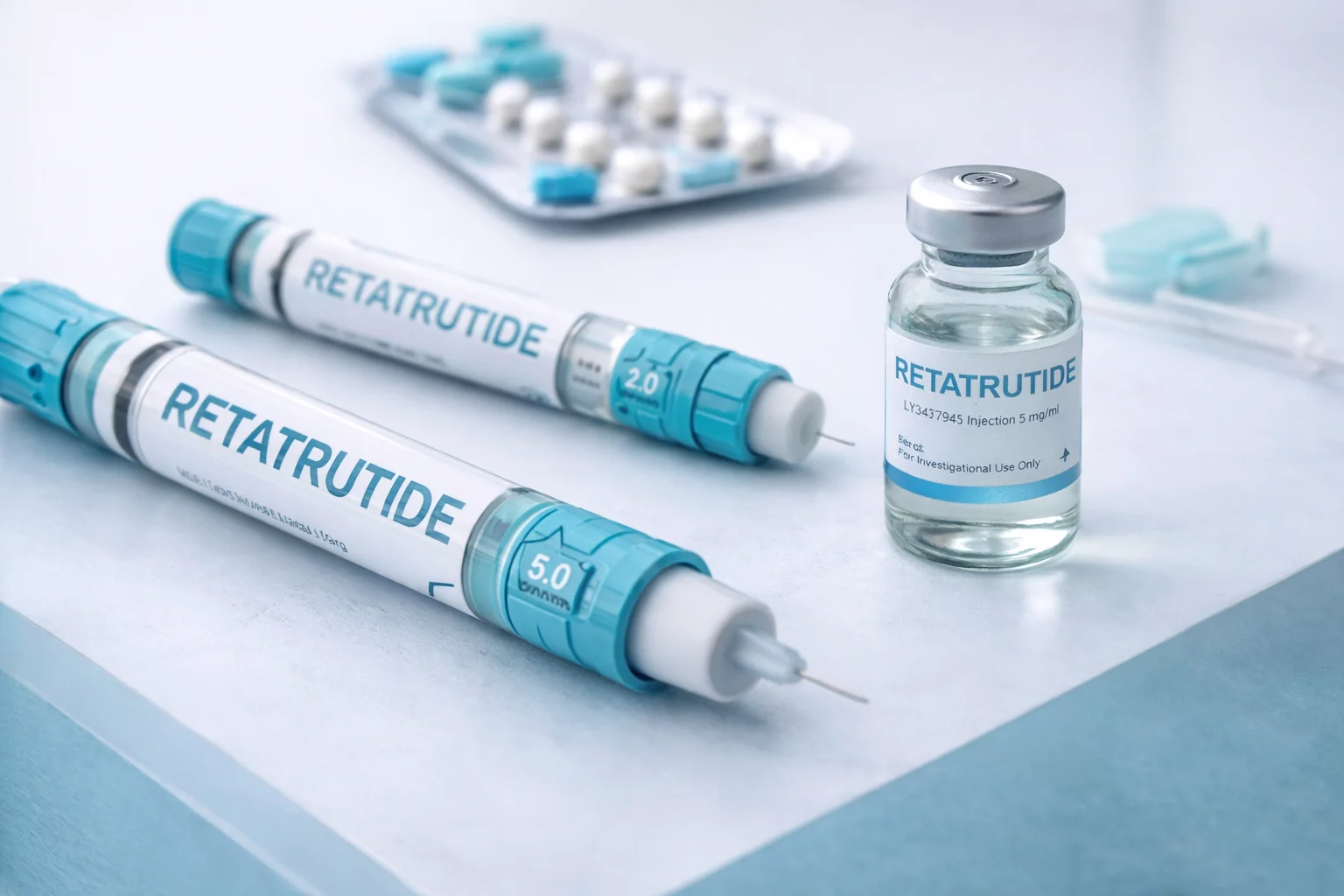
Category: Retatrutide

  • Retatrutide Side Effects & Warnings: A Complete Safety Guide

    Retatrutide Side Effects & Warnings: A Complete Safety Guide

    Introduction: Retatrutide Side Effects & Warnings

    As the medical community eagerly anticipates the potential approval of Retatrutide, a novel triple-hormone agonist for obesity and type 2 diabetes, understanding its side effects and warnings is paramount for anyone considering future treatment. Retatrutide side effects are a critical component of evaluating this promising therapy. While clinical trials have shown unprecedented efficacy in weight loss and glucose control, the medication’s mechanism of action—simultaneously targeting GLP-1, GIP, and glucagon receptors—also defines its safety and tolerability profile. This comprehensive guide delves into the common, less common, and serious Retatrutide side effects, providing essential warnings and safety information to foster informed discussions with healthcare providers.

    What is Retatrutide? A Brief Mechanism Recap

    Before analyzing the adverse effects, it’s helpful to recall how Retatrutide works. Unlike single-agonist drugs (like semaglutide) or dual-agonists (like tirzepatide/Mounjaro), Retatrutide is a triple agonist:

    • GLP-1 Receptor Agonism: Slows gastric emptying, increases insulin secretion, and promotes satiety in the brain.
    • GIP Receptor Agonism: Enhances insulin secretion and may improve fat metabolism.
    • Glucagon Receptor Agonism: Increases energy expenditure by boosting metabolism.

    This powerful trio is responsible for its significant benefits but also drives the majority of its side effects and patient warnings.

    Common Retatrutide Side Effects (Gastrointestinal Dominant)

    The most frequently reported Retatrutide side effects are gastrointestinal (GI) in nature, similar to other incretin-based therapies but often occurring at a higher incidence and potentially greater intensity due to the added glucagon activity. These are typically mild to moderate and tend to subside as the body adapts over several weeks.

    Nausea and Vomiting

    Nausea is the most common complaint. It’s often dose-dependent, meaning it may appear or worsen with each dose increase. Management strategies include eating smaller, blander meals, avoiding high-fat foods, and staying hydrated. Persistent vomiting requires medical attention to avoid dehydration.

    Diarrhea and Constipation

    Retatrutide can cause both ends of the spectrum. Slowed digestion often leads to constipation, while the complex hormonal signals can also trigger diarrhea. Increasing soluble fiber intake and water consumption is crucial. Patients should report severe or persistent cases.

    Abdominal Discomfort and Dyspepsia

    Many users report general abdominal pain, cramping, bloating, and indigestion. These gastrointestinal symptoms are a direct result of slowed gastric emptying and the drug’s action on digestive tract receptors.

    Decreased Appetite and Early Satiety

    While a therapeutic goal for weight loss, pronounced appetite suppression can lead to inadequate calorie and nutrient intake if not managed carefully, potentially resulting in fatigue.

    Less Common but Notable Side Effects

    Beyond the GI tract, Retatrutide trials have identified other effects that patients and doctors should monitor.

    Injection Site Reactions

    Redness, itching, or mild pain at the injection site can occur. Rotating injection sites (abdomen, thigh, upper arm) weekly helps minimize these reactions.

    Increased Heart Rate

    A modest increase in resting heart rate (a few beats per minute) has been observed with GLP-1 therapies. The clinical significance of this with Retatrutide is under ongoing study, but it is a key monitoring parameter for cardiovascular safety.

    Fatigue and Headache

    These systemic effects are reported by a subset of users, especially during the initial titration phase, possibly related to calorie reduction and metabolic adjustment.

    Hypoglycemia (In Patients with Type 2 Diabetes)

    When used for type 2 diabetes, particularly with other glucose-lowering medications like insulin or sulfonylureas, Retatrutide can increase the risk of low blood sugar (hypoglycemia). Dose adjustments of concomitant therapies are usually necessary.

    Serious Retatrutide Warnings and Potential Risks

    This section covers the black box warnings and serious Retatrutide side effects that constitute critical patient safety information.

    Risk of Thyroid C-Cell Tumors

    • The Warning: Retatrutide, like other GLP-1 receptor agonists, carries a black box warning—the FDA’s strongest—indicating that it caused thyroid C-cell tumors (including medullary thyroid carcinoma, or MTC) in rodent studies. It is unknown if this risk translates to humans.
    • Who is at Risk: Individuals with a personal or family history of MTC or those with Multiple Endocrine Neoplasia syndrome type 2 (MEN 2) should NOT use Retatrutide.
    • Action: Patients should be aware of symptoms like a lump in the neck, hoarseness, difficulty swallowing, or shortness of breath and report them immediately.

    Acute Pancreatitis

    Cases of inflammation of the pancreas (pancreatitis) have been reported with similar drugs. Patients should be warned about severe, persistent abdominal pain that may radiate to the back, possibly accompanied by vomiting. This is a medical emergency, and Retatrutide should be discontinued if pancreatitis is confirmed.

    Gallbladder Disease

    Rapid weight loss from any cause, including with Retatrutide, significantly increases the risk of gallstones and cholecystitis. Symptoms include pain in the upper right abdomen, fever, and jaundice (yellowing of skin/eyes).

    Acute Kidney Injury

    Dehydration from severe GI side effects like nausea, vomiting, or diarrhea can lead to reduced kidney perfusion and acute kidney injury, particularly in patients with pre-existing renal impairment. Maintaining hydration is essential.

    Severe Hypersensitivity Reactions

    Although rare, serious allergic reactions (anaphylaxis) or angioedema (severe facial swelling) are possible. Any signs of rash, itching, dizziness, or difficulty breathing after injection warrant immediate medical help.

    Diabetic Retinopathy Complications

    In patients with diabetic eye disease, rapid improvement of blood glucose control has been associated with a temporary worsening of diabetic retinopathy. Patients with a history of retinopathy should have regular monitoring.

    Long-Term Safety and Ongoing Vigilance

    As a investigational drug, the full long-term safety profile of Retatrutide is still being established through extended trials and, if approved, post-marketing surveillance. Key areas of scientific interest and monitoring include:

    • Cardovascular Outcomes: Long-term effects on major adverse cardiac events (MACE) are being thoroughly investigated in dedicated trials.
    • Mental Health: While not prominently flagged in trials, any weight loss drug requires monitoring for mood changes, depression, or anxiety.
    • Nutritional Deficiencies: Chronic appetite suppression necessitates monitoring for adequate protein, vitamin, and mineral intake.

    Who Should Avoid Retatrutide? Contraindications List

    Retatrutide is contraindicated for the following groups:

    1. Patients with a personal or family history of Medullary Thyroid Carcinoma (MTC).
    2. Patients with Multiple Endocrine Neoplasia syndrome type 2 (MEN 2).
    3. Patients with a history of serious hypersensitivity to Retatrutide or any of its components.
    4. Pregnancy and Breastfeeding: Use is contraindicated due to lack of safety data. Weight loss during pregnancy is not recommended.
    5. Patients with severe gastrointestinal disease, including gastroparesis.

    Conclusion: Balancing Efficacy with Informed Caution

    Retatrutide represents a frontier in metabolic treatment with profound potential. However, a clear understanding of Retatrutide side effects and warnings is non-negotiable for safe use. The common GI effects are manageable for most, but the serious warnings—particularly regarding thyroid cancer, pancreatitis, and kidney injury—demand respect and vigilance.

    The decision to use Retatrutide must be a shared one between a patient and their healthcare provider, grounded in a thorough review of personal medical history against these potential risks. As the landscape evolves, patient education and transparent reporting of adverse effects will remain the cornerstone of maximizing benefit while minimizing harm from this powerful new agent.
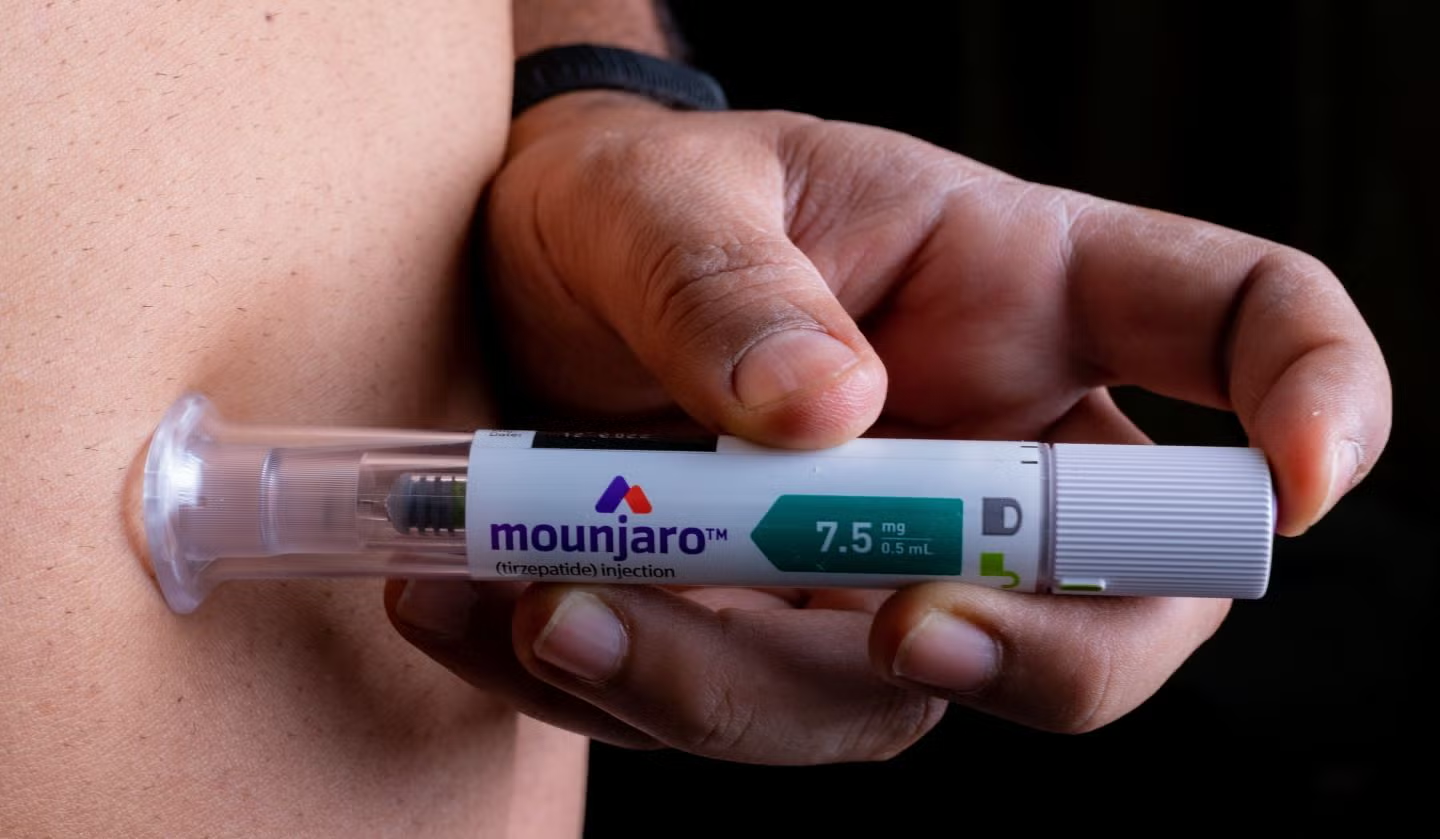
  • Mounjaro for Weight Loss: What to Expect – A Realistic Guide

    Mounjaro for Weight Loss: What to Expect – A Realistic Guide

    For millions struggling with obesity or weight-related health issues, the search for an effective solution can feel endless. Enter Mounjaro for weight loss, a medication that has revolutionized the medical approach to chronic weight management. While originally approved for type 2 diabetes, its profound impact on shedding pounds has captured significant attention. If you’re considering or starting this journey, knowing what to realistically expect is crucial for success. This guide will walk you through the science, the timeline, the necessary lifestyle changes, and the honest truths about using Mounjaro for weight loss.

    What is Mounjaro and How Does It Work for Weight Loss?

    Mounjaro (tirzepatide) is not just another weight loss drug; it’s a first-in-class dual glucose-dependent insulinotropic polypeptide (GIP) and glucagon-like peptide-1 (GLP-1) receptor agonist. In simpler terms, it mimics two key gut hormones that are naturally released after eating.

    Here’s how this dual-action mechanism tackles weight loss from multiple angles:

    • Appetite Suppression: It acts powerfully on the brain’s appetite centers, significantly reducing hunger and cravings. Users often report feeling satisfied with smaller portions and not being preoccupied with thoughts of food.
    • Slowed Gastric Emptying: The medication slows down how quickly food leaves your stomach. This leads to a prolonged feeling of fullness and satiety after meals, helping to curb snacking and overeating.
    • Improved Insulin Sensitivity: By helping your body use insulin more effectively, it stabilizes blood sugar levels. Stable blood sugar prevents the sharp spikes and crashes that can trigger intense hunger and fat storage.

    This multi-targeted approach is why Mounjaro for weight loss has shown such exceptional results in clinical trials, often surpassing those seen with GLP-1-only medications.

    What to Expect: The Weight Loss Timeline

    Weight loss with Mounjaro is a process, not an overnight event. It follows a gradual, step-wise pattern closely tied to the dosing schedule.

    • Months 1-2 (Starting Dose – 2.5 mg): This is the initiation phase. The primary goal is for your body to adjust to the medication with minimal side effects. You may experience early appetite suppression and notice you’re eating less. Weight loss in this period is often modest, typically 2-4% of your starting body weight. The focus should be on building healthy habits.
    • Months 3-6 (Dose Escalation – 5 mg, 7.5 mg, 10 mg): This is typically where significant weight loss accelerates. As the dose increases monthly under doctor supervision, the effects on appetite and satiety intensify. Consistent, steady weight loss is common during this phase. Clinical trials showed an average loss of 15-20% of body weight over 72 weeks, with much of that occurring in this active period.
    • Months 6 and Beyond (Maintenance Doses – 10 mg, 12.5 mg, 15 mg): After reaching a therapeutic dose, weight loss continues but may plateau. This is normal. The goal shifts from active loss to weight maintenance. Your healthcare provider will help you find the lowest effective dose to maintain your results long-term.

    The Crucial Role of Diet and Exercise

    Mounjaro is a tool, not a miracle cure. Its maximum benefit is unlocked only when combined with sustainable lifestyle changes.

    • Dietary Adjustments: The medication naturally guides you toward smaller portions. Use this as an opportunity to choose nutrient-dense foods. Prioritize lean proteins, fiber-rich vegetables, and whole grains. Due to slowed digestion, it’s critical to stay hydrated and be mindful of foods that may cause gastrointestinal discomfort. Many find benefit in working with a nutritionist.
    • Exercise Integration: Physical activity is essential for preserving lean muscle mass during weight loss and boosting metabolism. Start with manageable activities like walking, swimming, or light strength training. As your energy and fitness improve, you can increase intensity. Consistency matters more than intensity, especially at the beginning.
    • Behavioral Changes: Address emotional eating or ingrained habits. Mindfulness, adequate sleep, and stress management are key pillars that support the physiological work of Mounjaro.

    Potential Side Effects and How to Manage Them

    Being prepared for potential side effects can help you navigate them successfully. Most are gastrointestinal and tend to be mild to moderate, often diminishing over time.

    • Common Side Effects: Nausea, diarrhea, decreased appetite, vomiting, constipation, and indigestion.
      • Management Tips: Inject Mounjaro as directed, often in the thigh or abdomen (which may cause fewer GI issues than the arm). Eat smaller, blander, low-fat meals when starting. Stay hydrated. Over-the-counter remedies can help, but always consult your doctor.
    • Serious but Rare Risks: Be aware of medullary thyroid carcinoma (MTC) warnings (contraindicated in those with a personal or family history), pancreatitis, gallbladder issues, and hypoglycemia (especially if on other diabetes medications). Kidney injury can occur due to dehydration from severe nausea/vomiting.

    Never ignore severe abdominal pain, persistent vomiting, or signs of an allergic reaction. Contact your doctor immediately.

    The Long-Term Picture: Maintenance and Sustainability

    One of the most critical discussions to have with your doctor is the long-term plan. Obesity is a chronic condition, and medications like Mounjaro are typically intended for long-term use.

    • Weight Regain: Studies show that stopping the medication often leads to a regain of most lost weight, as the body’s hormonal drivers of hunger return. This underscores that Mounjaro manages an underlying biological condition.
    • Maintenance Dosing: Your provider will establish a maintenance dose to help you sustain your results. This is a lifelong commitment to health, similar to managing high blood pressure.
    • Holistic Health: The goal extends beyond the scale. Expect improvements in cardiometabolic markers like blood pressure, cholesterol, and blood sugar levels, significantly enhancing your overall health and reducing disease risk.

    Conclusion: Is Mounjaro Right for Your Weight Loss Journey?

    Mounjaro for weight loss represents a powerful scientific advancement, offering new hope for sustainable weight management. Realistic expectations are key: expect a gradual process, a necessary partnership with diet and exercise, and a commitment to long-term treatment for lasting results.

    The decision to start must be made in close consultation with a qualified healthcare professional who can evaluate your individual health profile, guide you through the process, and monitor your progress. For the right candidate, Mounjaro can be a transformative tool, providing not just weight loss, but a pathway to regained health, confidence, and quality of life.

  • How Retatrutide Compares to Mounjaro: A Detailed Analysis of Next-Generation Weight Loss Drugs

    How Retatrutide Compares to Mounjaro: A Detailed Analysis of Next-Generation Weight Loss Drugs

    How Retatrutide Compares to Mounjaro

    Understanding the new weight loss drugs is key. Many ask How Retatrutide Compares to Mounjaro. Both are from Eli Lilly. But they work differently.

    Mounjaro is a dual-hormone drug. Retatrutide is a triple-hormone drug. This is the main difference.

    This guide will break it down. We’ll look at how they work. We will review their results. We will also cover side effects.

    Mechanism of Action: The Core Difference

    The main difference is in their design. Mounjaro targets two hormone pathways. Retatrutide targets three.

    Mounjaro: The Dual Agonist

    Mounjaro’s drug name is tirzepatide. It mimics two gut hormones. These are GIP and GLP-1.

    GLP-1 slows stomach emptying. This makes you feel full. It also reduces appetite in the brain.

    GIP boosts insulin secretion. It may help with fat metabolism. It might also reduce nausea.

    Together, they are very powerful. This made Mounjaro a top drug.

    Retatrutide: The Triple Agonist

    Retatrutide is the next step. It mimics three hormones. These are GIP, GLP-1, and glucagon.

    The first two work like Mounjaro. The third is the key addition.

    Glucagon is a game-changer. It tells the body to burn more energy. It increases calorie burn at rest.

    This triple action aims for greater effect. It targets appetite, insulin, and metabolism together.

    Efficacy: Weight Loss Results

    Direct comparison trials are not done. But we can look at their separate studies. The results show a clear trend.

    Mounjaro’s Weight Loss Data

    Mounjaro was tested in the SURMOUNT-1 trial. People with obesity took it for 72 weeks.

    The results were impressive. The highest dose (15mg) led to 20.9% weight loss on average. This set a new standard at the time.

    Retatrutide’s Weight Loss Data

    Retatrutide’s Phase 2 trial was shocking. People took it for 48 weeks.

    The mid-dose (8mg) led to 17.5% weight loss. The high dose (12mg) led to 24.2% weight loss.

    This was a new record. About 30% of people lost over 30% of their weight.

    Extension data is even more promising. Weight loss continued past 48 weeks. It shows Retatrutide’s powerful potential.

    Efficacy Verdict: Retatrutide shows higher weight loss in trials. The glucagon effect adds significant power.

    Safety and Side Effects

    More power can mean more side effects. Both share a common profile. But Retatrutide has unique notes.

    Common Gastrointestinal Issues

    Both drugs cause GI side effects. This is due to the GLP-1 action.

    Common issues include nausea and diarrhea. Constipation and vomiting can also occur.

    These effects are usually worst at the start. They often fade as the body adjusts.

    Unique Notes for Retatrutide

    The glucagon part changes things. It increases metabolic rate.

    This led to two notable effects in trials. First, a rise in resting heart rate. Second, a slight rise in blood pressure.

    Weight loss usually lowers blood pressure. This can offset the drug’s direct effect.

    There is also a brief blood sugar rise early on. This is due to glucagon’s action. It is later overcome by weight loss and better insulin sensitivity.

    Safety Verdict: Mounjaro has a known, manageable profile. Retatrutide seems similar for GI issues.

    But it requires watchful monitoring for heart rate and blood pressure. Its full safety profile is still under study.

    Dosage and Administration

    Both are once-weekly injections. They use similar auto-injector pens.

    A slow dose increase is critical. This helps manage stomach side effects.

    Mounjaro’s maintenance doses are 5mg, 10mg, or 15mg. Retatrutide’s tested doses were 4mg, 8mg, and 12mg.

    Final commercial doses for Retatrutide may differ. This depends on Phase 3 trial results.

    Availability and Status

    This is a major practical difference.

    Mounjaro is FDA-approved. It is available for type 2 diabetes. Its weight loss version is called Zepbound.

    Both are available now with a prescription.

    Retatrutide is not approved. It is still an investigational drug. It is only available in clinical trials.

    Its approval is expected, but timing is unsure.

    The Bottom Line

    So, how does Retatrutide compare to Mounjaro?

    Mounjaro is a current, proven leader. It is a powerful dual-hormone drug. It is available today.

    Retatrutide is the promising future. It is a triple-hormone drug. It aims for even greater weight loss.

    The choice isn’t really one or the other yet. Mounjaro is the established option. Retatrutide represents the next potential leap.

    For now, Mounjaro (and Zepbound) are real tools. Retatrutide is a very hopeful horizon. Both show amazing progress in treating obesity.

  • What is Retatrutide? A Complete Guide to Benefits, Dosage, and Safety

    What is Retatrutide? A Complete Guide to Benefits, Dosage, and Safety

    Introduction: What is Retatrutide?

    If you’ve been following advancements in medical weight loss and diabetes care, you’ve likely heard the question: What is Retatrutide? Retatrutide is an investigational, triple-hormone receptor agonist that is generating significant excitement in the medical community.

    As the latest pharmaceutical innovation from Eli Lilly, it represents a potential leap beyond current GLP-1 drugs like semaglutide (Wegovy) and tirzepatide (Mounjaro/Zepbound). Unlike its predecessors that target one or two metabolic pathways, Retatrutide is engineered to simultaneously activate three key hormone receptors: GLP-1, GIP, and glucagon.

    This multi-targeted approach aims to enhance weight loss efficacy, improve glycemic control, and address complex metabolic dysfunctions.

    Currently in Phase 3 clinical trials and not yet FDA-approved, Retatrutide has shown unprecedented results in preliminary studies, making it a focal point for anyone seeking to understand the future of obesity and type 2 diabetes pharmacotherapy.

    This guide will delve deep into the Retatrutide benefits, evolving dosage regimens, and the critical safety profile that patients and clinicians must consider.

    Understanding the Science: How Retatrutide Works

    To fully grasp what Retatrutide is, one must understand its unique mechanism of action. It is a single peptide molecule designed to activate three distinct receptors:

    1. GLP-1 Receptor Agonism: Like older drugs such as liraglutide and semaglutide, this component enhances insulin secretion, suppresses glucagon (which lowers liver glucose production), and, crucially, slows gastric emptying. This leads to increased satiety and reduced calorie intake.
    2. GIP Receptor Agonism: This is the shared mechanism with tirzepatide. GIP (Glucose-dependent Insulinotropic Polypeptide) enhances insulin secretion in a glucose-dependent manner and may improve fat metabolism. The dual GLP-1/GIP action has proven highly effective for weight loss and glucose control.
    3. Glucagon Receptor Agonism: This is Retatrutide’s groundbreaking third action. Glucagon receptor activation increases energy expenditure by the liver, essentially causing the body to burn more calories. It also promotes lipolysis (fat breakdown) and can reduce liver fat.

    The synergistic effect of this “triple agonism” is a powerful impact on the body’s metabolic set point, leading to significant reductions in body weight, improved insulin sensitivity, and better overall metabolic health. This multi-pronged strategy is the core answer to what is Retatrutide from a pharmacological perspective.

    Documented Benefits of Retatrutide

    The Retatrutide benefits observed in clinical trials have been remarkable, often surpassing the high bar set by earlier generation drugs. These benefits extend across two primary domains: weight management and cardiometabolic health.

    Unprecedented Weight Loss Efficacy

    The most headline-grabbing of the Retatrutide benefits is its weight loss potential. In the Phase 2 trial published in The New England Journal of Medicine, participants with obesity (without diabetes) achieved a mean weight reduction of 24.2% after 48 weeks on the highest dose (12 mg). This far exceeds the approximately 15-21% weight loss seen with the highest doses of tirzepatide and the 15-16% with semaglutide over similar periods. A majority of participants achieved weight loss greater than 20%, a threshold that signifies a transformative reduction in health risks.

    Superior Glycemic Control

    For individuals with type 2 diabetes, the Retatrutide benefits for blood sugar management are profound. The triple-action mechanism drives substantial reductions in HbA1c (a key marker of long-term blood glucose levels). Early data suggests these reductions are superior to those achieved with dual agonists, offering a potent new tool for bringing diabetes into remission.

    Improved Cardiometabolic Parameters

    Beyond scale weight and blood sugar, Retatrutide demonstrates comprehensive health benefits:

    • Reduction in Visceral Fat: This is the dangerous fat stored around internal organs, closely linked to heart disease and metabolic syndrome.
    • Improved Lipid Profile: Reductions in triglycerides and improvements in cholesterol levels have been noted.
    • Lowered Blood Pressure: A consistent effect seen with incretin-based therapies.
    • Potential for NASH/NAFLD Treatment: The glucagon action may be particularly beneficial in reducing liver fat and inflammation associated with fatty liver disease.

    Retatrutide Dosage and Administration Protocol

    As an investigational drug, the final Retatrutide dosage protocol will be established upon FDA review and approval. However, the titration schedule used in advanced clinical trials provides a clear blueprint.

    The principle is dose escalation to minimize gastrointestinal side effects. The drug is administered via a once-weekly subcutaneous injection, similar to other drugs in its class.

    Standard Titration Schedule (Based on Phase 3 Trials):

    • Weeks 1-4: 2 mg starting dose
    • Weeks 5-8: 4 mg
    • Weeks 9-12: 6 mg
    • Weeks 13-16: 8 mg
    • Weeks 17-20: 10 mg
    • Week 21 onward: 12 mg (maintenance dose)

    It is critical to understand that Retatrutide dosage must be personalized. Not all patients will need or tolerate the highest dose. The effective dose is the one that provides an optimal balance of efficacy (weight loss/glycemic control) and tolerability with manageable side effects. Patients should never self-adjust their dose and must follow their prescribing physician’s precise instructions.

    Safety Profile and Important Warnings

    While the Retatrutide benefits are impressive, a thorough understanding of its safety profile is paramount. The most common side effects are gastrointestinal, stemming from its potent action on gut receptors and gastric emptying.

    Common Side Effects

    These are typically mild to moderate and tend to diminish over time as the body adjusts:

    • Nausea, Diarrhea, Vomiting, Constipation: The most frequently reported side effects. Managing these involves slow dose titration, eating smaller, blander meals, and staying hydrated.
    • Decreased Appetite: A desired pharmacological effect, but it must be managed to ensure adequate nutrition.
    • Injection Site Reactions: Mild redness or itching at the injection site.

    Serious Safety Warnings and Contraindications

    1. Medullary Thyroid Carcinoma (MTC) Risk: Retatrutide carries a black box warning (based on animal studies with similar drugs) for a potential risk of thyroid C-cell tumors, including MTC. It is contraindicated in patients with a personal or family history of MTC or those with Multiple Endocrine Neoplasia syndrome type 2 (MEN 2).
    2. Pancreatitis: Patients should be warned about symptoms of acute pancreatitis (severe, persistent abdominal pain) and discontinue use if suspected.
    3. Gallbladder Disease: Rapid weight loss can increase the risk of gallstones and cholecystitis.
    4. Hypoglycemia: In patients with type 2 diabetes, particularly those on insulin or sulfonylureas, Retatrutide can increase the risk of low blood sugar. Medication adjustments are often necessary.
    5. Acute Kidney Injury: Dehydration from GI side effects can precipitate kidney injury, especially in patients with pre-existing renal disease.
    6. Pregnancy and Breastfeeding: Retatrutide is not recommended; women of childbearing potential should use contraception.

    A critical component of Retatrutide safety is a comprehensive pre-treatment evaluation by a qualified physician to assess individual risk factors and contraindications.

    Conclusion: The Future of Metabolic Treatment

    So, what is Retatrutide? It is a pioneering scientific achievement that redefines the potential of pharmacotherapy for obesity and type 2 diabetes.

    With its triple-hormone action, it offers the promise of benefits like unprecedented weight loss and superior metabolic control.

    However, its potent effects come with a specific dosage strategy and a safety profile that demands respect and careful medical supervision.

    As Phase 3 trials (TRIUMPH program) conclude and the data undergoes regulatory scrutiny, Retatrutide stands poised to become a powerful tool in the global fight against metabolic disease, offering new hope for patients for whom existing treatments are insufficient.

    Patients interested in this therapy should engage in detailed discussions with their healthcare providers about its potential role in their personal health journey once it becomes commercially available.

Queen casino login