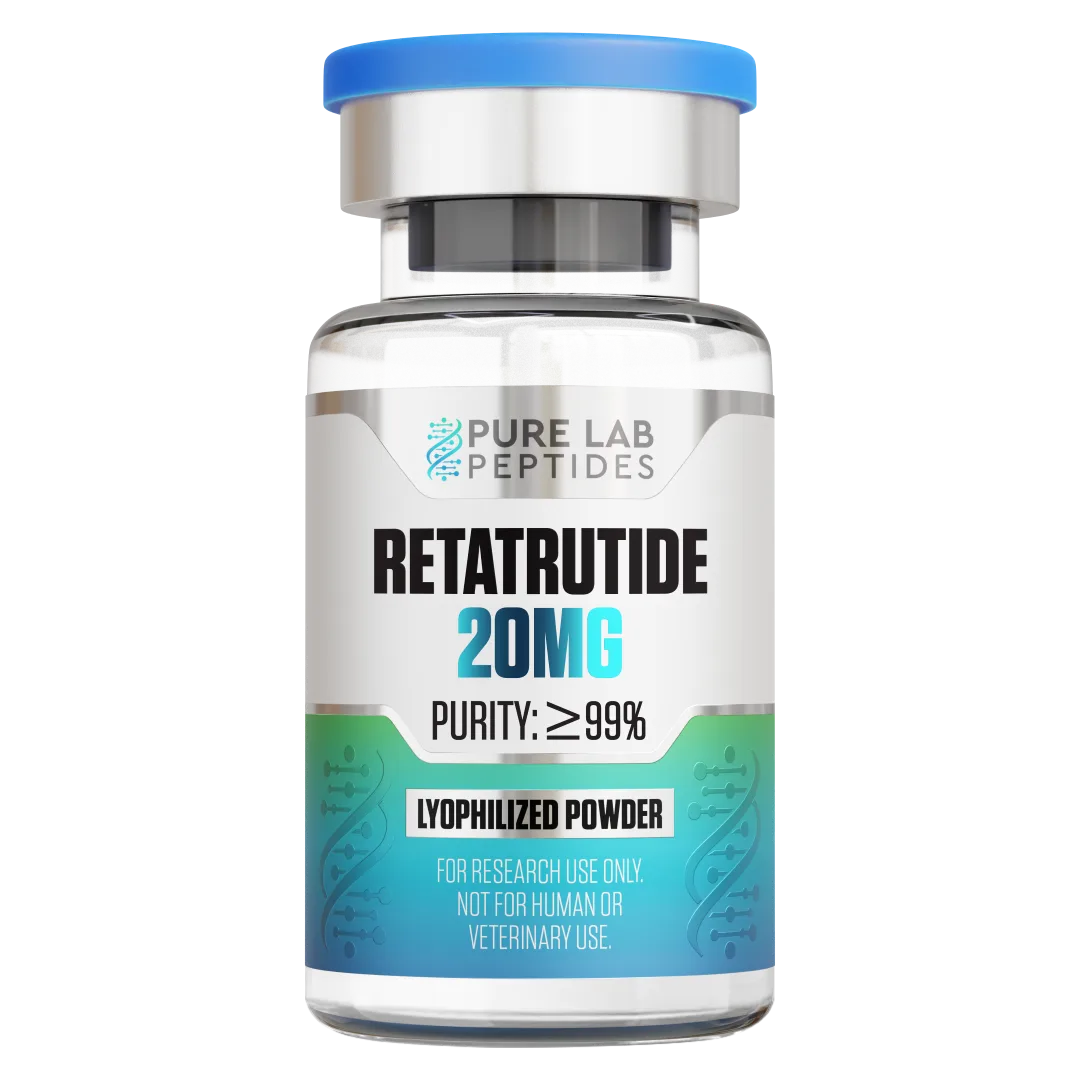
Introduction: What is Retatrutide?
If you’ve been following advancements in medical weight loss and diabetes care, you’ve likely heard the question: What is Retatrutide? Retatrutide is an investigational, triple-hormone receptor agonist that is generating significant excitement in the medical community.
As the latest pharmaceutical innovation from Eli Lilly, it represents a potential leap beyond current GLP-1 drugs like semaglutide (Wegovy) and tirzepatide (Mounjaro/Zepbound). Unlike its predecessors that target one or two metabolic pathways, Retatrutide is engineered to simultaneously activate three key hormone receptors: GLP-1, GIP, and glucagon.
This multi-targeted approach aims to enhance weight loss efficacy, improve glycemic control, and address complex metabolic dysfunctions.
Currently in Phase 3 clinical trials and not yet FDA-approved, Retatrutide has shown unprecedented results in preliminary studies, making it a focal point for anyone seeking to understand the future of obesity and type 2 diabetes pharmacotherapy.
This guide will delve deep into the Retatrutide benefits, evolving dosage regimens, and the critical safety profile that patients and clinicians must consider.
Understanding the Science: How Retatrutide Works
To fully grasp what Retatrutide is, one must understand its unique mechanism of action. It is a single peptide molecule designed to activate three distinct receptors:
- GLP-1 Receptor Agonism: Like older drugs such as liraglutide and semaglutide, this component enhances insulin secretion, suppresses glucagon (which lowers liver glucose production), and, crucially, slows gastric emptying. This leads to increased satiety and reduced calorie intake.
- GIP Receptor Agonism: This is the shared mechanism with tirzepatide. GIP (Glucose-dependent Insulinotropic Polypeptide) enhances insulin secretion in a glucose-dependent manner and may improve fat metabolism. The dual GLP-1/GIP action has proven highly effective for weight loss and glucose control.
- Glucagon Receptor Agonism: This is Retatrutide’s groundbreaking third action. Glucagon receptor activation increases energy expenditure by the liver, essentially causing the body to burn more calories. It also promotes lipolysis (fat breakdown) and can reduce liver fat.
The synergistic effect of this “triple agonism” is a powerful impact on the body’s metabolic set point, leading to significant reductions in body weight, improved insulin sensitivity, and better overall metabolic health. This multi-pronged strategy is the core answer to what is Retatrutide from a pharmacological perspective.
Documented Benefits of Retatrutide
The Retatrutide benefits observed in clinical trials have been remarkable, often surpassing the high bar set by earlier generation drugs. These benefits extend across two primary domains: weight management and cardiometabolic health.
Unprecedented Weight Loss Efficacy
The most headline-grabbing of the Retatrutide benefits is its weight loss potential. In the Phase 2 trial published in The New England Journal of Medicine, participants with obesity (without diabetes) achieved a mean weight reduction of 24.2% after 48 weeks on the highest dose (12 mg). This far exceeds the approximately 15-21% weight loss seen with the highest doses of tirzepatide and the 15-16% with semaglutide over similar periods. A majority of participants achieved weight loss greater than 20%, a threshold that signifies a transformative reduction in health risks.
Superior Glycemic Control
For individuals with type 2 diabetes, the Retatrutide benefits for blood sugar management are profound. The triple-action mechanism drives substantial reductions in HbA1c (a key marker of long-term blood glucose levels). Early data suggests these reductions are superior to those achieved with dual agonists, offering a potent new tool for bringing diabetes into remission.
Improved Cardiometabolic Parameters
Beyond scale weight and blood sugar, Retatrutide demonstrates comprehensive health benefits:
- Reduction in Visceral Fat: This is the dangerous fat stored around internal organs, closely linked to heart disease and metabolic syndrome.
- Improved Lipid Profile: Reductions in triglycerides and improvements in cholesterol levels have been noted.
- Lowered Blood Pressure: A consistent effect seen with incretin-based therapies.
- Potential for NASH/NAFLD Treatment: The glucagon action may be particularly beneficial in reducing liver fat and inflammation associated with fatty liver disease.
Retatrutide Dosage and Administration Protocol
As an investigational drug, the final Retatrutide dosage protocol will be established upon FDA review and approval. However, the titration schedule used in advanced clinical trials provides a clear blueprint.
The principle is dose escalation to minimize gastrointestinal side effects. The drug is administered via a once-weekly subcutaneous injection, similar to other drugs in its class.
Standard Titration Schedule (Based on Phase 3 Trials):
- Weeks 1-4: 2 mg starting dose
- Weeks 5-8: 4 mg
- Weeks 9-12: 6 mg
- Weeks 13-16: 8 mg
- Weeks 17-20: 10 mg
- Week 21 onward: 12 mg (maintenance dose)
It is critical to understand that Retatrutide dosage must be personalized. Not all patients will need or tolerate the highest dose. The effective dose is the one that provides an optimal balance of efficacy (weight loss/glycemic control) and tolerability with manageable side effects. Patients should never self-adjust their dose and must follow their prescribing physician’s precise instructions.
Safety Profile and Important Warnings
While the Retatrutide benefits are impressive, a thorough understanding of its safety profile is paramount. The most common side effects are gastrointestinal, stemming from its potent action on gut receptors and gastric emptying.
Common Side Effects
These are typically mild to moderate and tend to diminish over time as the body adjusts:
- Nausea, Diarrhea, Vomiting, Constipation: The most frequently reported side effects. Managing these involves slow dose titration, eating smaller, blander meals, and staying hydrated.
- Decreased Appetite: A desired pharmacological effect, but it must be managed to ensure adequate nutrition.
- Injection Site Reactions: Mild redness or itching at the injection site.
Serious Safety Warnings and Contraindications
- Medullary Thyroid Carcinoma (MTC) Risk: Retatrutide carries a black box warning (based on animal studies with similar drugs) for a potential risk of thyroid C-cell tumors, including MTC. It is contraindicated in patients with a personal or family history of MTC or those with Multiple Endocrine Neoplasia syndrome type 2 (MEN 2).
- Pancreatitis: Patients should be warned about symptoms of acute pancreatitis (severe, persistent abdominal pain) and discontinue use if suspected.
- Gallbladder Disease: Rapid weight loss can increase the risk of gallstones and cholecystitis.
- Hypoglycemia: In patients with type 2 diabetes, particularly those on insulin or sulfonylureas, Retatrutide can increase the risk of low blood sugar. Medication adjustments are often necessary.
- Acute Kidney Injury: Dehydration from GI side effects can precipitate kidney injury, especially in patients with pre-existing renal disease.
- Pregnancy and Breastfeeding: Retatrutide is not recommended; women of childbearing potential should use contraception.
A critical component of Retatrutide safety is a comprehensive pre-treatment evaluation by a qualified physician to assess individual risk factors and contraindications.
Conclusion: The Future of Metabolic Treatment
So, what is Retatrutide? It is a pioneering scientific achievement that redefines the potential of pharmacotherapy for obesity and type 2 diabetes.
With its triple-hormone action, it offers the promise of benefits like unprecedented weight loss and superior metabolic control.
However, its potent effects come with a specific dosage strategy and a safety profile that demands respect and careful medical supervision.
As Phase 3 trials (TRIUMPH program) conclude and the data undergoes regulatory scrutiny, Retatrutide stands poised to become a powerful tool in the global fight against metabolic disease, offering new hope for patients for whom existing treatments are insufficient.
Patients interested in this therapy should engage in detailed discussions with their healthcare providers about its potential role in their personal health journey once it becomes commercially available.
Leave a Reply