
- Home/
- Buy Clomid Without Prescription in the United States Online
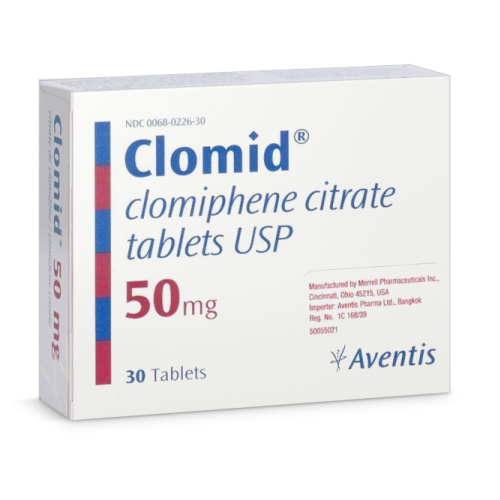
Why Women in the United States Still Start with Clomid—And When It’s the Right Call
Picture a woman, mid-30s, sitting across from her OB/GYN. The bloodwork is in. She doesn’t ovulate regularly, but her uterus and tubes look fine, and her partner’s sperm check came back normal. The doctor suggests starting with Clomid. Not because it’s the newest drug, but because decades of experience and evidence say that for women with ovulatory dysfunction—especially those with polycystic ovary syndrome (PCOS)—Clomid is often the best first move.
Clomid’s continued popularity in the United States isn’t nostalgia. It’s a calculated choice. Oral, low cost, widely available, and familiar to every fertility specialist and most general OB/GYNs, Clomid is where most American women with unexplained infertility or irregular ovulation begin their journey. Insurance plans that balk at covering expensive injectables will almost always cover Clomid. Pharmacies in small towns and big cities alike keep it in stock.
But here’s the nuance: not all “infertility” is the same. Clomid is rarely effective for women who already ovulate normally; it doesn’t fix anatomical problems or turn back the clock on egg quantity. That’s why a thorough workup comes first. In the United States, guidelines recommend Clomid as a first-line treatment only for women with confirmed ovulatory dysfunction and no other major fertility barriers (ASRM).
- If your periods are irregular or absent, and you’ve been diagnosed with an ovulation disorder—Clomid may be a strong option.
- If you ovulate regularly but haven’t conceived after a year (or six months if over 35), Clomid is less likely to help unless subtle ovulatory issues are found.
- If there are significant sperm or anatomical issues, a different approach is needed from the start.
In short: Clomid’s role is targeted, not universal. Starting with Clomid makes sense for many—but not all—women struggling to conceive in the United States. The right call begins with the right diagnosis.
How Clomid Actually Works in Your Body (and Why That Matters for You)
The heart of Clomid’s action is simple: it nudges your body toward ovulation when your own hormones aren’t doing the job. But the way it gets there is less obvious—and that difference shapes everything from its side effects to who will benefit most.
Clomid’s active ingredient, clomiphene, fools your brain. More precisely, it blocks estrogen’s signal at the hypothalamus, a command center for hormone regulation. Your body, sensing “low” estrogen, releases more follicle-stimulating hormone (FSH) and luteinizing hormone (LH). The result: your ovaries are pushed to prepare and release an egg.
- Clomiphene
- A selective estrogen receptor modulator (SERM) that tricks the brain into boosting FSH and LH, stimulating ovulation in women who do not ovulate regularly.
But here is where clinical reality diverges from the textbook. Clomid’s precise way of interfering with estrogen can also thin the uterine lining or make cervical mucus less friendly to sperm, especially when used for several cycles. That’s why, in practice, some women will ovulate beautifully on Clomid yet still not get pregnant. Clomiphene’s approach is both its strength and its Achilles’ heel.
- Letrozole, an alternative, works by lowering estrogen levels directly, leading to a different side effect profile and, in some cases (especially in women with PCOS), slightly higher live birth rates.
- Gonadotropins (injectable FSH/LH) bypass the brain entirely and stimulate the ovaries directly; this carries a higher risk of twins and requires close monitoring.
Understanding how Clomid works clarifies why it is so effective—when used in the right women—and why it isn’t a miracle pill for every fertility problem. It also explains some of its unique side effects, which we’ll cover in detail later.
What to Realistically Expect from Clomid: Success, Frustration, and the Middle Ground
Expectation shapes everything in infertility. Many women arrive hopeful but anxious: “Will Clomid work for me? How soon? What if it doesn’t?” The answers are rarely as clear-cut as anyone wants—but real-world data and clinician experience offer a map.
For women with well-defined ovulatory dysfunction (especially PCOS), Clomid induces ovulation in about 75-80% of cases. But ovulation is only step one; conception is step two. About 30-40% of women treated with Clomid will conceive within six cycles. This gap—between ovulation and pregnancy—often surprises patients.
“In my own practice, I see Clomid succeed when the problem is truly anovulation and there are no other barriers. But if months go by without a response or pregnancy, that’s a sign we need to revisit the diagnosis or consider alternatives. Sometimes, persistence pays off; other times, it’s a signal to change course.”
- Cycle timing: Most pregnancies from Clomid happen within the first three to six cycles. Using it for longer without success rarely changes the outcome.
- Multiple pregnancy risk: About 7-10% of Clomid pregnancies are twins (versus about 1% naturally). Higher-order multiples (triplets or more) are rare but possible.
- Ovulation without conception: It’s common to ovulate with Clomid and still not conceive, especially if uterine lining or sperm factors are present.
Patience is key, but so is knowing when to move on. If you’re not pregnant after 3-6 cycles of Clomid—especially if ovulation is confirmed—your doctor will likely recommend changing strategies. Prolonged use does not improve outcomes and may increase side effect risks.
Clomid vs. Letrozole vs. Gonadotropins: A Real-World Comparison
| Attribute | Clomid (Clomiphene) | Letrozole | Gonadotropins (Injectables) |
|---|---|---|---|
| Indication | First-line for ovulation induction in women with anovulatory infertility | First-line alternative, especially in PCOS | Second-line or for more complex infertility |
| Mechanism | Estrogen receptor blocker in brain: boosts FSH/LH | Aromatase inhibitor: lowers estrogen, boosts FSH/LH | Direct ovarian stimulation: provides FSH/LH |
| Pregnancy Rate (per cycle) | ~10-15% | ~15-20% (slightly higher in PCOS) | Up to 20-25% (varies by patient) |
| Twin/Multiples Risk | 7-10% twins; higher-order rare | ~3-5% twins; higher-order rare | ~20% twins; up to 5% higher-order |
| Monitoring | Minimal; sometimes ultrasound | Minimal; sometimes ultrasound | Frequent ultrasounds and labs required |
| Cost (US typical) | $15–$50 per cycle (generic) | $20–$100 per cycle (generic) | $1,000–$5,000+ per cycle |
| Prescription Needed | Yes (oral, widely available) | Yes (oral, widely available) | Yes (injectable, specialty pharmacy) |
| Insurance Coverage | Often covered | Often covered | Varies, usually less consistent |
| Common Side Effects | Hot flashes, mood swings, visual symptoms, ovarian cysts | Fatigue, headaches, dizziness | Bloating, injection site reactions, ovarian hyperstimulation |
What does this table mean in practice? For most women starting fertility treatment in the United States, Clomid is the lowest-cost, lowest-hassle option—oral, easy to use, and with a long safety record. Letrozole edges ahead for some, especially in PCOS, because its side effects are milder and pregnancy rates are slightly higher. Gonadotropins bring higher success rates but at a much higher cost, with more monitoring and a higher risk of multiples. The choice hinges on your diagnosis, response to previous treatments, and what you’re able or willing to manage in terms of cost and complexity.
Getting Clomid Right: How to Take It, What Can Go Wrong, and What Happens If You Miss a Dose
Taking Clomid isn’t complicated—but using it well makes a real difference. In most American clinics, Clomid starts on day 3, 4, or 5 of your menstrual cycle, for five days. The dose and timing may change based on your body’s response. Close communication with your doctor is essential.
| Starting Dose | Day of Cycle Started | Duration | Next Steps if No Ovulation |
|---|---|---|---|
| 50 mg daily | Day 3, 4, or 5 | 5 days | Increase to 100 mg next cycle |
| 100 mg daily | If 50 mg did not work | 5 days | Increase to 150 mg, or consult specialist |
| 150 mg daily (max typical) | If lower doses failed | 5 days | Consider alternative treatment |
Most women start at 50 mg daily for five days. If ovulation doesn’t occur, the dose increases in later cycles—but doses above 150 mg per day are rarely effective and not recommended due to increased side effect risk.
- Testing for ovulation: Blood tests or home ovulation kits are used to confirm response. Your doctor may recommend an ultrasound to check for follicle growth.
- Sex timing: Intercourse is usually recommended every other day starting a few days after the last Clomid pill, continuing for about a week.
- Monitoring: Minimal for most, but necessary if you have risk factors for ovarian cysts or hyperstimulation.
Clomid is not a long-term medication. If you don’t ovulate after three dose increases, it’s time to reconsider your diagnosis and treatment plan. Prolonged use beyond six cycles is not recommended due to diminishing returns and increased risks.
Which Side Effects Matter Most with Clomid—and When to Act
Every medication has risks—but Clomid’s side effects are well known, and most are reversible. The majority of women tolerate Clomid without major problems. Still, some effects can be surprising or even alarming if you’re not prepared.
Hot flashes, mood swings, and headaches are the most common, affecting up to 10-20% of users. Blurred vision or visual “flashes” can also occur and should always prompt a call to your doctor. Ovarian cysts may form, leading to pelvic pain or bloating; these usually resolve on their own but rarely require intervention. The worry that Clomid increases cancer risk is not supported by solid evidence for typical use, but long-term, high-dose use is discouraged (Mayo Clinic).
Less common side effects—breast tenderness, nausea, insomnia—can mimic early pregnancy, leading to confusion. Most women find symptoms manageable, but if they worsen with higher doses, alternative treatments should be discussed.
Clomid Safety Summary Table
| Side Effect | How Common? | When to Contact Doctor |
|---|---|---|
| Hot flashes | 10–20% | If persistent, severe, or interfere with daily life |
| Mood swings | 5–10% | If severe depression or anxiety develops |
| Visual changes (blurred vision, spots) | 1–2% | Immediately—stop medication and call doctor |
| Ovarian cysts | 3–5% | If severe pelvic pain or bloating |
| Headaches | 5–10% | If severe or persistent |
| Ovarian hyperstimulation syndrome (OHSS) | <1% | Immediately—if severe bloating, pain, or breathing issues |
In summary, most side effects are mild and resolve quickly. But any visual changes, severe pain, or rapid swelling should never be ignored. Your doctor can help sort out side effects from normal cycle symptoms and adjust your plan as needed.
When Not to Take Clomid: The Red Flags No One Should Ignore
- Are currently pregnant or suspect you might be pregnant
- Have liver disease or abnormal liver function tests
- Have ovarian cysts not related to polycystic ovary syndrome
- Have unexplained uterine bleeding
- Have known hormone-dependent tumors (such as certain breast, uterine, or ovarian cancers)
- Have a history of hypersensitivity to clomiphene or any component of the tablet
- History of severe migraine, depression, or visual disorders—Clomid can worsen these symptoms
- Difficulty with ovulation unresponsive to increasing doses (may indicate diminished ovarian reserve)
- Concerns about thin uterine lining—Clomid can occasionally make this worse
Absolute contraindications are non-negotiable: taking Clomid in these situations could be dangerous. If you’re unsure, an honest conversation with your fertility provider is essential. Don’t guess—confirm before you begin.
Clomid Access, Cost, and Prescribing in the United States: What to Expect
Almost every pharmacy in the United States stocks generic clomiphene citrate. Getting a prescription is typically straightforward: see your OB/GYN, reproductive endocrinologist, or, in some cases, a primary care provider. A fertility evaluation is standard before starting.
- Prescription status: Clomid is not available over-the-counter in the United States. You must have a valid prescription from a licensed healthcare provider. Some states allow telehealth prescribing, but a fertility workup is still usually required.
- Insurance and cost: Most major insurance plans cover Clomid under prescription drug benefits, particularly when used for ovulatory infertility. Generic clomiphene costs between $15 and $50 per cycle at typical retail pharmacies, though prices may vary by location and insurance (GoodRx).
- Brand vs. generic: The brand-name Clomid is rarely dispensed in the United States today; generics are equally effective and the standard at most pharmacies.
Mail-order pharmacies and specialty fertility pharmacies can ship Clomid in most states, but always verify that the pharmacy is licensed and reputable. The FDA maintains a list of approved online pharmacy websites (FDA).
Clomid’s accessibility, low cost, and insurance coverage are unmatched by most other fertility medications. But these advantages only matter if Clomid is the right treatment for your clinical situation.
Frequently Asked Questions About Clomid in the United States
- How long does it usually take to get pregnant on Clomid?
- For women who respond to Clomid, most pregnancies occur within three to six cycles. If you have not conceived after six cycles, further evaluation or a change in treatment is usually recommended.
- Can Clomid be used to treat all types of infertility?
- No. Clomid is most effective for women with ovulatory dysfunction. It does not address blocked tubes, severe male infertility, or significantly diminished ovarian reserve.
- Does Clomid increase the risk of birth defects?
- No substantial evidence links Clomid to a higher rate of birth defects compared to natural conception. Still, all medications in early pregnancy should be discussed with your doctor.
- What happens if I ovulate with Clomid but still don’t get pregnant?
- This is common. Factors like sperm quality, uterine lining, or cervical mucus may be at play. Your doctor may suggest additional testing or a change in medication or assisted reproduction technique.
- Is it safe to buy Clomid online in the United States?
- Only through licensed, FDA-approved pharmacies with a valid prescription. Beware of unregulated online sources, which may offer counterfeit or unsafe products. Always check pharmacy credentials.
- Can I use Clomid if I am over 40?
- Clomid’s effectiveness decreases with age, especially after 40, and the risk of diminished ovarian reserve increases. A fertility specialist can guide whether Clomid is worth trying or if more advanced options are advisable.
- How will I know if Clomid is working for me?
- Your doctor will track your response through blood tests, ovulation predictor kits, or ultrasounds. If you are ovulating but not conceiving, additional factors may need to be evaluated.
References
- U.S. Food and Drug Administration (FDA)
- Clomiphene Citrate Prescribing Information, Sanofi
- American Society for Reproductive Medicine (ASRM)
- Mayo Clinic
- ClinicalTrials.gov
- Practice Committee of the ASRM. Use of clomiphene citrate in infertility: a committee opinion. Fertility and Sterility, 2013.
- GoodRx
- World Health Organization (WHO): Infertility guidelines