
- Home/
- Buy Ventolin Inhaler Without Prescription in the United States
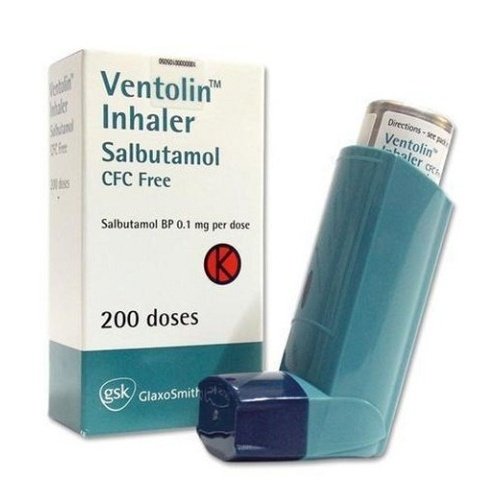
Can You Get Ventolin Inhaler Without a Prescription in the United States?
No, Ventolin Inhaler (salbutamol) requires a valid prescription from a licensed healthcare provider in the United States. It cannot be lawfully purchased or dispensed over-the-counter, either in brick-and-mortar pharmacies or through legitimate online pharmacies.
Key Takeaways: What You Must Know Before Using Ventolin Inhaler
- Ventolin Inhaler is most suitable for quick relief of asthma symptoms and certain other breathing problems, not for daily symptom prevention.
- You must have a prescription from a licensed U.S. healthcare provider to obtain Ventolin Inhaler at any pharmacy or online.
- Improvement in breathing usually occurs within minutes after inhalation, but seek medical help if symptoms do not resolve quickly or worsen.
- Overuse or incorrect technique can reduce effectiveness and may trigger serious side effects, especially in children and older adults.
- If you need to use your inhaler more often than prescribed, contact your doctor promptly—it may signal poorly controlled asthma.
- Unregulated sources of Ventolin can be unsafe, counterfeit, or illegal; always use licensed U.S. pharmacies.
How Does Ventolin Inhaler Work? (Mechanism and Pharmacology)
Ventolin Inhaler’s active ingredient is salbutamol (also known as albuterol in the U.S.), a rapid-acting beta2-adrenergic receptor agonist. It works by binding to beta2-receptors in the smooth muscle lining the airways of the lungs. When these receptors are activated, a chain reaction starts: the enzyme adenylate cyclase is stimulated, increasing levels of cyclic adenosine monophosphate (cAMP). This leads to relaxation of bronchial smooth muscle, causing the airways to open wider—a process known as bronchodilation.
In simple terms, Ventolin acts like a key that unlocks tightened airways in your lungs, allowing you to breathe more freely within minutes. Its effects are fast and typically felt within 5 minutes, peaking at 30 minutes, and lasting up to 4-6 hours.
Note: Ventolin Inhaler is designed for relief of acute symptoms (rescue therapy), not for daily maintenance or prevention of asthma attacks. For chronic asthma control, your doctor may prescribe an inhaled corticosteroid or other long-term controller medication.
Real-World Treatment: Why Patients’ Expectations Don’t Always Match Outcomes
In clinical practice, I often see patients expecting Ventolin to resolve all their breathing issues instantly and permanently. Many are surprised to learn that it’s meant for short-term symptom relief—not a cure. I also notice that patients sometimes judge effectiveness solely by the immediate sensation of relief, even if their asthma control remains poor overall. A question I rarely hear, but wish more people would ask, is: “How often is too often to use my inhaler?”—since overuse often signals a bigger problem. Some patients don’t realize that needing Ventolin more than twice weekly (apart from exercise) indicates the need for a different treatment strategy altogether. Lastly, people often underestimate the importance of using the correct inhaler technique. These gaps between patient perception and clinical reality can delay proper asthma management and put health at risk.
How to Use Ventolin Inhaler: Dosing, Timing, and Duration of Action
- Standard adult and child dose: 1 to 2 puffs (90–180 mcg) as needed for acute symptoms. Do not exceed 8 puffs in 24 hours without medical advice.
- For exercise-induced symptoms: 2 puffs 15–30 minutes before activity.
- Onset of relief: Usually within 5 minutes, with maximal effect at 30 minutes.
- Duration of effect: 4–6 hours per dose.
- Adjustment: Dose may be reduced in elderly, frail, or those with heart disease; your doctor will advise.
- Important: Always follow your doctor’s instructions on dose and timing. Do not exceed recommended doses—overuse increases risk of adverse effects.
Technique matters: Shake the inhaler well before use, breathe out fully, seal lips around the mouthpiece, press inhaler while breathing in deeply, hold breath for 10 seconds, then exhale.
Peak effect: Most people feel relief within 5–10 minutes. If symptoms persist after the first dose, you may repeat after a few minutes (per your doctor’s instructions), but seek emergency care if breathing does not improve.
Can the inhaler be split or repurposed? No, the metered-dose inhaler (MDI) should never be tampered with, split, or modified.
Food, Alcohol, and Lifestyle: What to Avoid with Ventolin Inhaler
- Food: No significant interactions with food or meals. You do not need to adjust meal timing.
- Grapefruit juice: There are no known interactions with grapefruit juice, unlike with some other medications.
- Alcohol: While moderate alcohol does not directly interact with Ventolin, excessive alcohol may worsen breathing difficulties or interfere with asthma control. It is wise to avoid alcohol if you are having an acute asthma episode.
- Caffeine: Large amounts of caffeine (e.g., energy drinks) can worsen potential side effects like shakiness or palpitations. Use these beverages cautiously if you are sensitive.
- Smoking: Smoking can reduce effectiveness of all asthma medications and should be avoided.
Unlike some oral medications, fatty foods do not delay Ventolin’s action since it reaches the lungs directly.
Who Should Not Use Ventolin Inhaler? Contraindications and Warnings
- Absolute Contraindications (Never Use):
-
- Known allergy to albuterol/salbutamol or any component of the inhaler.
- Severe hypersensitivity to beta-agonists.
- Relative Contraindications (Use with Caution; Doctor’s Supervision Required):
-
- Cardiac arrhythmias or fast heart rhythms: Salbutamol can raise heart rate and trigger palpitations.
- Severe hypertension (very high blood pressure): Risk of further elevation.
- Uncontrolled hyperthyroidism: May increase sensitivity to beta-agonists.
- Recent heart attack or unstable angina: Inhaler may stress the heart; use only if benefits outweigh risks and strictly under supervision.
- Diabetes: Ventolin may slightly raise blood sugar; monitor closely.
- Pregnancy and Breastfeeding: Use only if prescribed and benefit outweighs risk. Most U.S. guidelines consider albuterol safe, but always follow your doctor’s advice.
Drug interactions: Do not use with other short-acting beta-agonists, monoamine oxidase inhibitors (MAOIs), tricyclic antidepressants, or certain antiarrhythmic drugs without consulting your doctor. If you are on beta-blockers (for blood pressure or heart conditions), Ventolin may be less effective or trigger paradoxical bronchospasm.
What Side Effects Are Most Common with Ventolin Inhaler?
- Very common (>1 in 10):
-
- Tremor (shakiness of the hands)
- Headache
- Common (1 in 100 to 1 in 10):
-
- Palpitations or fast heartbeat
- Muscle cramps
- Nervousness or restlessness
- Mild throat irritation or cough after inhalation
- Rare (1 in 1,000 to 1 in 100):
-
- Paradoxical bronchospasm (worsening breathing)
- Chest pain or angina
- Serious allergic reactions (swelling, rash, anaphylaxis)
- Very rare (less than 1 in 10,000):
-
- Low potassium (hypokalemia), especially with high doses
- Irregular heart rhythms (arrhythmia)
Mechanism: Side effects like tremor and palpitations occur due to activation of beta receptors not only in the lungs but also in muscle and heart tissue. Hypokalemia results from stimulation of cellular potassium uptake.
What to do if you experience side effects: For mild effects (shakiness, mild headache), pause and observe; these often resolve. If you develop chest pain, severe shortness of breath, or signs of allergic reaction, stop using Ventolin and seek emergency medical care immediately.
Common Pitfalls: Patient Mistakes That Undermine Ventolin Inhaler Effectiveness
-
Incorrect inhaler technique:
Not shaking the canister, poor coordination between inhaling and pressing, or failing to hold your breath after inhalation significantly reduce the amount of medicine that reaches your lungs.
Tip: Ask your healthcare provider or pharmacist to demonstrate and review your inhaler technique regularly. -
Using the inhaler too frequently:
Relying on Ventolin more than recommended (over 2 times per week outside of exercise) may signal worsening asthma. This can delay needed changes to your long-term treatment plan.
Avoid by: Keeping a symptom diary and promptly discussing increased use with your doctor. -
Failing to check inhaler content:
Running out of medication unexpectedly in an emergency is risky.
Solution: Regularly check the dose counter or estimate remaining doses to avoid being caught off guard. -
Not rinsing mouth after use:
While less critical than with steroid inhalers, rinsing helps reduce throat irritation and taste disturbances.
Best practice: Rinse and spit after each use. -
Using an expired or improperly stored inhaler:
This can decrease effectiveness and increase risk of contamination.
Tip: Always check expiration date and store at room temperature (between 59°F and 77°F / 15°C to 25°C).
How Does Ventolin Inhaler Compare to Alternatives?
There are several short-acting beta-agonist (SABA) inhalers available in the U.S. market. Here’s a side-by-side comparison based on key criteria:
| Medication | Active Ingredient | Onset (minutes) | Duration (hours) | Common Side Effects | Typical Cost (per inhaler, USD)* |
|---|---|---|---|---|---|
| Ventolin HFA | Albuterol sulfate | 3–5 | 4–6 | Tremor, headache, palpitations | $35–$70 (insurance may lower copay) |
| ProAir HFA | Albuterol sulfate | 3–5 | 4–6 | Tremor, nervousness, cough | $30–$65 |
| Proventil HFA | Albuterol sulfate | 3–5 | 4–6 | Headache, shakiness, muscle cramps | $40–$75 |
| Xopenex HFA | Levalbuterol | 3–5 | 4–6 | Tremor, palpitations (possibly less than albuterol) | $60–$120 |
*Prices as of 2026. Insurance, coupons, and pharmacy location may affect actual out-of-pocket cost.
Summary: Ventolin HFA is clinically equivalent to other albuterol inhalers. Xopenex (levalbuterol) may have fewer side effects for some people but is more expensive. All require a prescription.
Ventolin Inhaler: Technical Reference Table
| Active ingredient | Albuterol sulfate (Salbutamol) |
| Strength | 90 mcg per actuation |
| Formulation | Metered-dose inhaler (HFA propellant) |
| Number of doses per inhaler | 200 actuations |
| Onset of action | 3–5 minutes |
| Peak effect | 30–60 minutes |
| Duration of action | 4–6 hours |
| Storage | Room temperature, 59–77°F (15–25°C), avoid heat/freezing |
| Prescription status (U.S.) | Prescription-only |
Compatibility with Other Medications: What’s Safe, What’s Not?
| Type of Product | Can it be Combined? | Consequences or Risks |
|---|---|---|
| Inhaled corticosteroids (e.g., fluticasone) | Yes | No significant interaction; often prescribed together |
| Oral corticosteroids | Yes | Monitor for additive side effects |
| Beta-blockers | With caution | May reduce Ventolin effectiveness; possible bronchospasm |
| Monoamine oxidase inhibitors (MAOIs) | With caution | Increased risk of cardiovascular side effects |
| Diuretics (water pills) | With caution | Risk of low potassium (hypokalemia) |
| Nitroglycerin | Yes | No significant interaction |
| Alcohol | Moderation | Excess may worsen asthma symptoms |
How Ventolin Works in Your Body: Absorption, Metabolism, and Elimination
- Absorption: Inhaled salbutamol rapidly enters the small airways and, to a lesser extent, the bloodstream.
- Distribution: The drug acts primarily in the lungs, with some systemic absorption.
- Metabolism: Metabolized mainly in the liver to inactive compounds.
- Elimination: Excreted primarily by the kidneys in urine (60–80% within 24 hours).
- Half-life (T1/2): Approximately 3.8–6 hours.
Clinical implication: People with severe liver or kidney disease may require monitoring, but most do not need dose adjustments for mild to moderate organ impairment.
Considerations for Special Patient Groups
- Children: Ventolin is widely used in children over age 4. For younger children, a spacer or mask may be necessary for effective administration.
- Older adults: Increased risk of heart-related side effects, such as palpitations or arrhythmia. Lower starting doses or closer monitoring may be needed.
- Pregnant or breastfeeding women: Most guidelines consider albuterol safe, but use only if prescribed by your doctor.
- Chronic heart disease: Use with caution; risk of arrhythmia, especially if there is a history of abnormal heart rhythms.
- Driving and machinery: Ventolin does not cause drowsiness and typically does not impair ability to drive or operate machines. However, if you experience tremor or shakiness, use caution until you know how it affects you.
- Fertility: No evidence suggests that inhaled salbutamol affects fertility in men or women.
How to Obtain Ventolin Inhaler: Step-by-Step in the U.S.
- Consultation: Schedule an appointment with a primary care physician, pulmonologist, allergist, or qualified healthcare provider. Telemedicine services are available in most states and can provide prescriptions for established patients.
- Medical assessment: Your provider will evaluate your symptoms, medical history, and may perform lung function tests or peak flow measurements.
- Prescription issuance: If appropriate, your doctor will electronically transmit, call in, or hand you a written prescription for Ventolin Inhaler.
- Pharmacy fulfillment: Take your prescription to a licensed U.S. pharmacy or use a verified, accredited online pharmacy. Insurance may reduce your out-of-pocket cost.
- Follow-up: Regularly check in with your doctor for asthma control and prescription renewal.
Staying Safe: Guide to Legitimate U.S. Online Pharmacies
- Pharmacy verification: Only use pharmacies accredited by the National Association of Boards of Pharmacy (NABP) or those bearing the “VIPPS” (Verified Internet Pharmacy Practice Sites) seal.
-
Red flags of unsafe sellers:
- Sites offering Ventolin without a prescription.
- Unusually low prices or discounts that seem too good to be true.
- No verifiable U.S. address or contact information.
- Lack of pharmacist contact or customer support.
- Consumer protection: In the U.S., legitimate online pharmacies will always require a valid prescription and provide a pharmacist for consultation.
- Counterfeit risk: Medicines from unregulated sources may be ineffective, contaminated, or dangerous.
- Customs and authenticity: Importing prescription drugs via international websites is illegal and may result in confiscation or prosecution.
Spotting Counterfeits: Genuine vs. Fake Ventolin Inhaler
- Original packaging: In the U.S., Ventolin HFA comes in a blue plastic inhaler with a dosage counter, official QR code, and FDA-required labeling. The box should bear the manufacturer’s logo (GlaxoSmithKline), batch number, and expiration date.
- Blister and labeling: The metered-dose canister is secured inside the inhaler. Labels are clear, adhesive is secure, and print is high quality.
- Security features: Newer packaging may include a holographic seal or scannable QR code for verification. Always check for tampering.
- Warning sign: Unusually low prices, lack of U.S. labeling, or misspelled product names suggest a counterfeit or unauthorized import.
- Generics: FDA-approved generic albuterol inhalers are available. Generics must meet the same quality, efficacy, and safety standards as branded Ventolin. Inactive ingredients (excipients) may differ and occasionally cause allergic reactions in sensitive individuals.
- Generics vs. original: Generics are typically less expensive and often preferred by insurance plans. The main differences are in device design and excipient profile, not the active ingredient.
Myth vs. Reality: Fast Relief and Limitations
-
Myth: Ventolin Inhaler cures asthma.
Reality: It only relieves acute symptoms. Long-term control requires daily maintenance therapy. -
Myth: The more I use Ventolin, the better my asthma is controlled.
Reality: Frequent use signals inadequate asthma control and higher risk of severe attacks. -
Myth: Ventolin works instantly for everyone.
Reality: While most people feel relief quickly, some may not respond or may misuse the inhaler, resulting in inadequate symptom control.
Support: Coping with Asthma and Breathing Difficulties
Asthma and breathing challenges are common, manageable conditions. If you’re struggling, know that millions across the U.S. are on similar journeys—and most achieve good control with proper treatment and guidance. If symptoms are affecting your daily life or emotional well-being, don’t hesitate to seek support from a healthcare provider, family, or asthma educator. Open communication helps improve outcomes and quality of life.
What to Do If You Overdose on Ventolin Inhaler
- Stop using the inhaler immediately.
- Call 911 or your local emergency number without delay.
- Provide the emergency team with details: amount used, timing, symptoms, and your medical history.
- Monitor for symptoms: fast or irregular heartbeat, severe tremor, chest pain, severe weakness, or fainting.
- Do not attempt to self-treat or “wait it out.”
Prompt medical attention is critical, as overdose can be life-threatening due to arrhythmias or dangerously low blood potassium.
Questions Patients Commonly Ask Doctors About Ventolin Inhaler
- How will I know if Ventolin is working for me?
- Most people feel relief within a few minutes. You should notice easier breathing and reduced wheezing. If you require more frequent doses or don’t get relief, let your doctor know—this may mean your asthma plan needs adjusting.
- Is it safe to use Ventolin every day if I have frequent symptoms?
- While Ventolin can be used for sudden symptoms, daily reliance suggests poor asthma control. In these cases, your doctor will likely recommend long-term controller medication and reassess your treatment plan.
- Can I use Ventolin before exercise?
- Yes, if exercise triggers your symptoms. Inhale 2 puffs about 15–30 minutes before activity, as instructed by your doctor.
- What should I do if I forget my inhaler at home?
- If you have symptoms and no access to your inhaler, seek medical attention immediately. For the future, keep a backup inhaler in your car, bag, or workplace.
- Will insurance cover Ventolin Inhaler?
- Most major U.S. insurance plans cover Ventolin or its generic equivalent, but out-of-pocket costs vary depending on your plan and pharmacy.
- How often should I replace my inhaler?
- Replace your inhaler when the dose counter shows zero, it expires, or if it’s damaged or fails to spray properly. Never attempt to “fix” a faulty device yourself.
- Do I need a spacer device?
- A spacer can help ensure correct dose delivery, especially for children, older adults, or anyone with trouble coordinating inhalation. Ask your healthcare provider for personalized advice.
Physician’s Clinical Assessment: Who Benefits Most from Ventolin?
In my clinical experience, Ventolin Inhaler is most beneficial for patients who have intermittent or mild persistent asthma, and for those who need rapid relief from occasional bronchospasm—whether due to allergens, exercise, or irritants. It is also crucial for patients with known asthma triggers who may need emergency self-rescue. However, for those with poorly controlled asthma, requiring frequent use (more than twice weekly), Ventolin alone is not sufficient and can delay the necessary initiation of maintenance therapy, such as inhaled corticosteroids. Patients with significant cardiac disease, arrhythmias, or uncontrolled hypertension may not be ideal candidates due to increased risk of serious side effects. In such cases, alternative treatment strategies or additional cardiac monitoring should be considered. Ultimately, the decision to prescribe Ventolin depends on weighing rapid symptom relief against potential systemic effects, and always tailoring the plan to each patient’s risk profile and symptom frequency. Regular follow-up is essential to adjust therapy and prevent over-reliance on rescue medication.
Frequently Asked Questions (FAQ)
- Is Ventolin Inhaler available without a prescription in the U.S.?
- No, you need a valid prescription from a licensed U.S. healthcare provider to legally obtain Ventolin Inhaler.
- How quickly does Ventolin Inhaler start to work?
- Ventolin usually provides relief within 3–5 minutes of inhalation, with peak effect at 30 minutes.
- What is the maximum number of puffs I can use in one day?
- Do not exceed 8 puffs in 24 hours for adults and children unless advised by your doctor. Overuse increases the risk of side effects.
- What are the signs of Ventolin overdose?
- Symptoms include rapid heartbeat, severe tremor, chest pain, weakness, or fainting. Seek emergency medical help immediately.
- Are there generic versions of Ventolin Inhaler?
- Yes, FDA-approved generic albuterol inhalers are available and are usually less expensive.
- Can Ventolin be used during pregnancy?
- Most guidelines consider Ventolin safe during pregnancy if prescribed by your doctor, but always discuss with your healthcare provider first.
- What is the typical cost of Ventolin Inhaler in the U.S.?
- Prices range from $30 to $75 per inhaler before insurance. Your copay may be lower if you have coverage.
- Does Ventolin interact with other asthma medications?
- It is commonly used alongside inhaled corticosteroids; however, combining with other beta-agonists or certain heart medications requires medical advice.
- How should Ventolin Inhaler be stored?
- Store at room temperature (59–77°F) away from direct sunlight and heat. Do not freeze or puncture the canister.
- Can I buy Ventolin from international pharmacies online?
- No, importing prescription drugs from foreign pharmacies is illegal in the U.S. and can be dangerous due to counterfeit risk.
References
- GlaxoSmithKline. Ventolin HFA (albuterol sulfate) Inhalation Aerosol Prescribing Information. Accessed 2026. https://www.gsksource.com/
- U.S. Food and Drug Administration (FDA): Albuterol sulfate information. Accessed 2026. https://www.fda.gov/
- National Heart, Lung, and Blood Institute. Asthma Management Guidelines – Update 2026. Accessed 2026. https://www.nhlbi.nih.gov/
- PubMed. Recent clinical studies on albuterol/salbutamol effectiveness and safety (2023–2026). https://pubmed.ncbi.nlm.nih.gov/
- Mayo Clinic. Albuterol (Inhalation Route) – Patient Information. Accessed 2026. https://www.mayoclinic.org/
- National Association of Boards of Pharmacy (NABP) – Guidance on Safe Online Pharmacies. Accessed 2026. https://nabp.pharmacy/
- ClinicalTrials.gov. Salbutamol/albuterol in asthma: Recent trials. Accessed 2026. https://clinicaltrials.gov/